
The Complete Guide to Singapore's MRT
One of the world's cleanest and most reliable metros, explained line by line — plus how to pay and get around like a local.
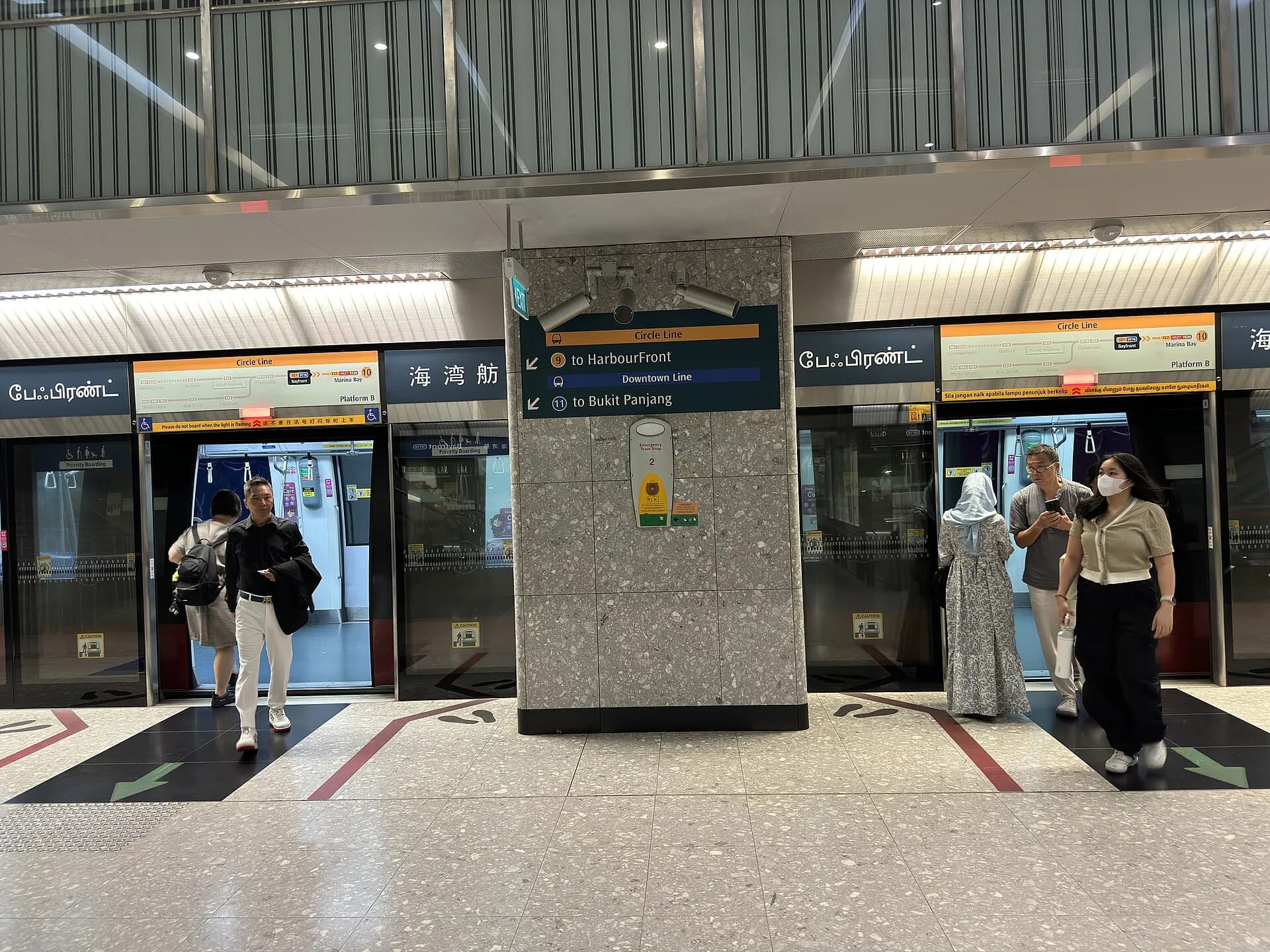
The Mass Rapid Transit (MRT) is the backbone of getting around Singapore. Clean, air-conditioned, punctual and inexpensive, it reaches most of the island and is the default way residents and visitors travel. It is complemented by an extensive bus network and light-rail (LRT) feeder lines in some towns.
The lines
- North-South Line (red)
- East-West Line (green)
- North East Line (purple)
- Circle Line (orange)
- Downtown Line (blue)
- Thomson-East Coast Line (brown)
The network is operated by SMRT and SBS Transit and is steadily expanding, with new stations and extensions added over time. Colour-coded maps make interchanges easy to follow even for first-time visitors.
How to pay
You tap in and out with a stored-value EZ-Link card, an equivalent transit card, or — increasingly — a contactless bank card or mobile wallet via the SimplyGo system. Fares are distance-based and among the most affordable of any major metro. There is no need to buy point-to-point tickets for every journey.
Etiquette and tips
- Eating and drinking are not allowed on trains and stations (fines apply).
- Let passengers alight before boarding, and keep to reserved seats' intended users.
- Trains can be very busy during morning and evening peaks — plan accordingly.
- Stations are well signposted in English; most connect directly to malls and amenities.
For journeys the MRT does not cover, buses fill the gaps comprehensively, and the same transit card or contactless payment works across both.
Related guides
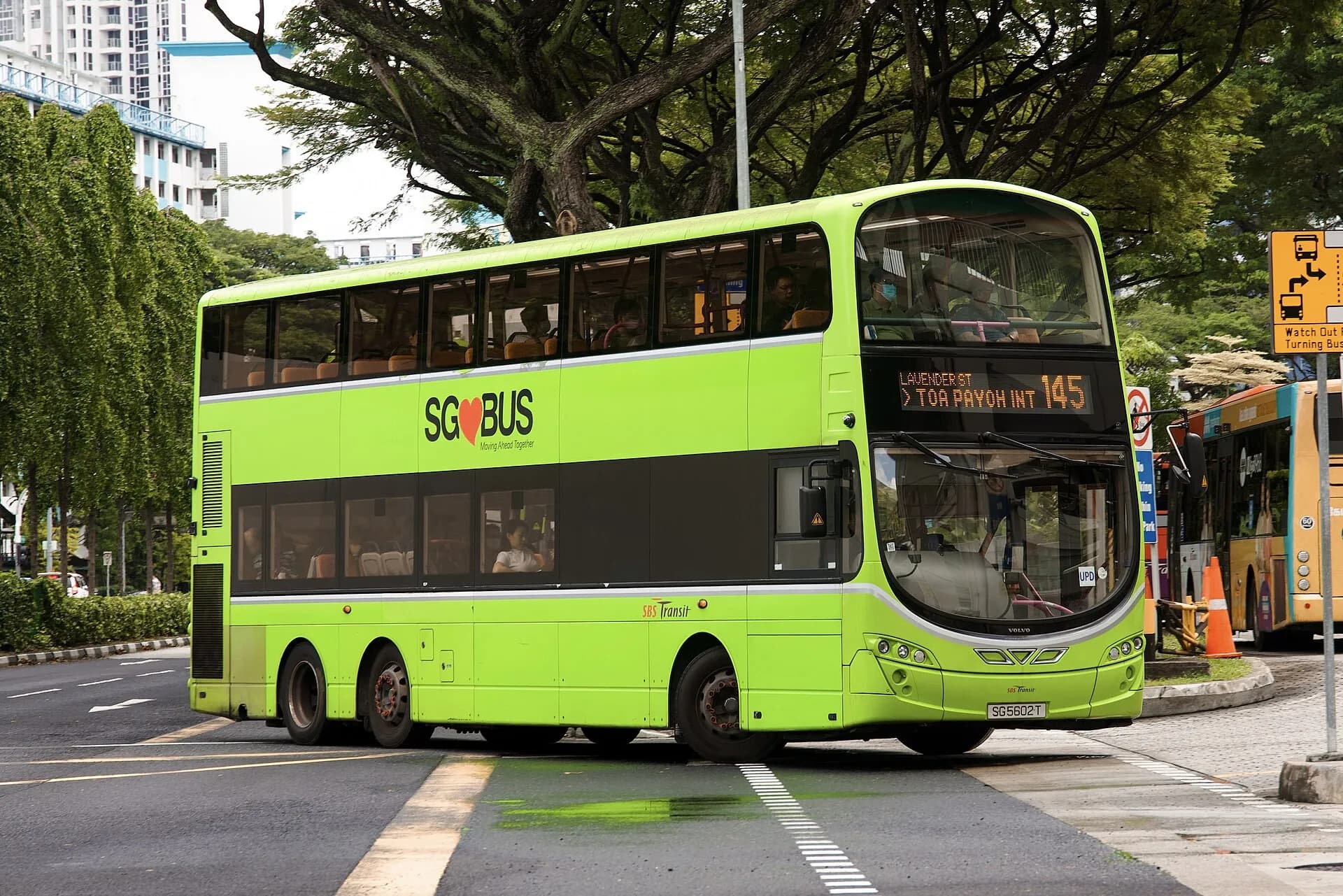
Getting Around Singapore: Buses, Taxis and Ride-Hailing
Beyond the MRT, a look at the buses, taxis and apps that complete Singapore's public transport picture.
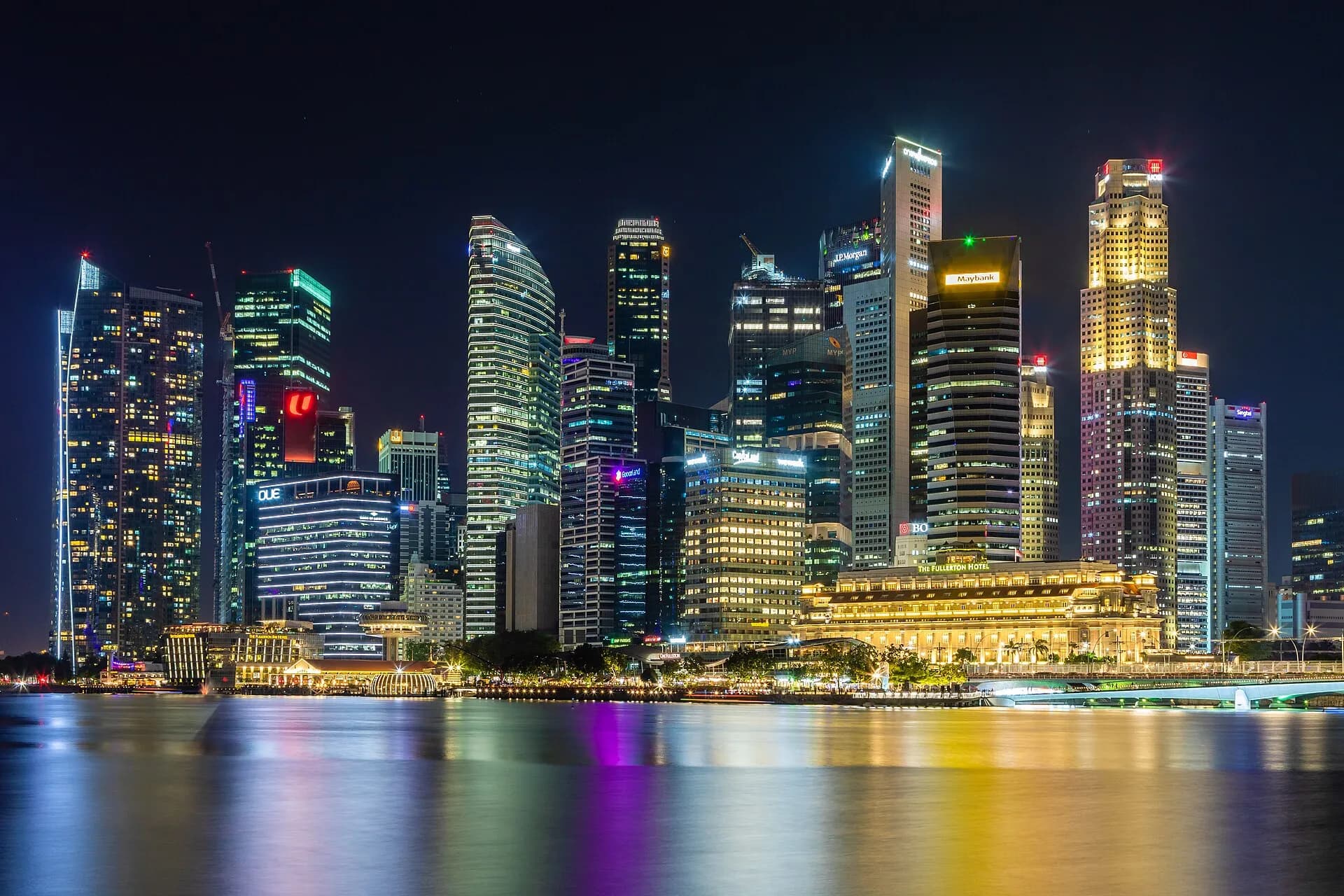
Owning a Car in Singapore and the COE System
Why a modest car can cost as much as a house deposit — and how the Certificate of Entitlement controls the roads.
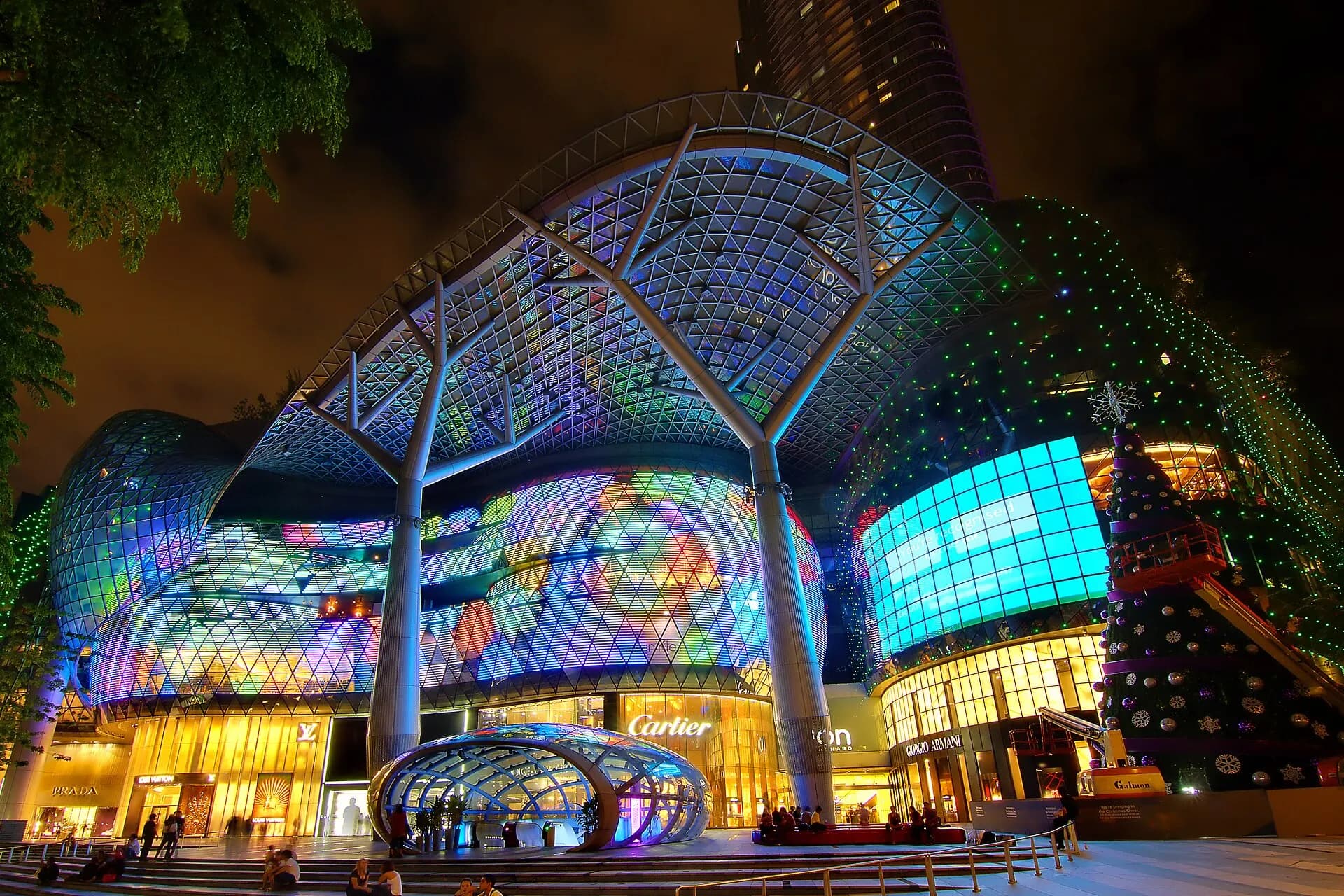
The Cost of Living in Singapore: A Practical Guide
Singapore is consistently ranked among the world's most expensive cities — but where your money actually goes may surprise you.