
Owning a Car in Singapore and the COE System
Why a modest car can cost as much as a house deposit — and how the Certificate of Entitlement controls the roads.
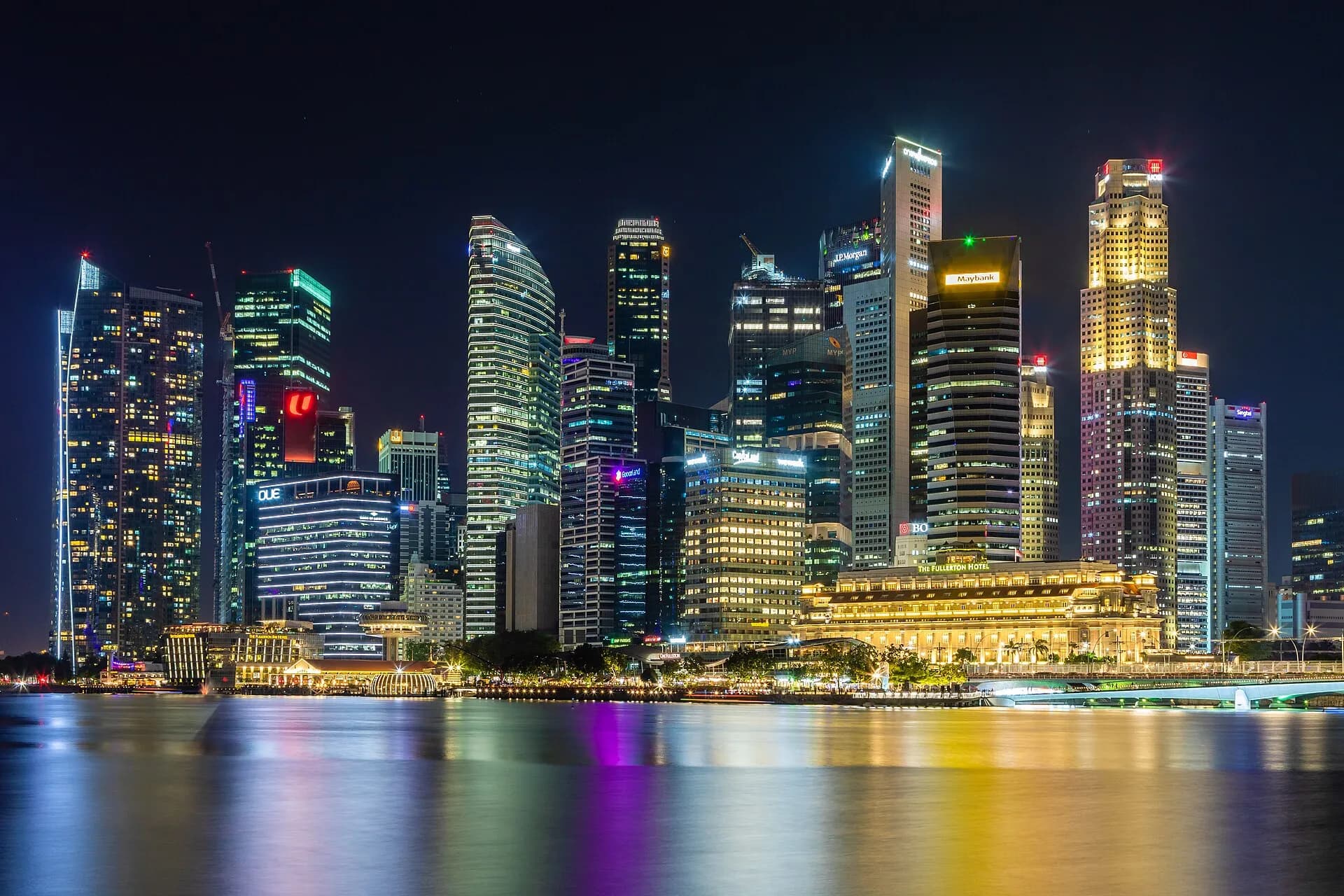
Owning a car in Singapore is famously expensive — often several times the cost of the same vehicle elsewhere. This is by design. On a small, densely populated island, the government uses price to keep the vehicle population and congestion in check.
The Certificate of Entitlement
At the heart of the system is the Certificate of Entitlement (COE). Before you can register a car, you must obtain a COE, which grants the right to own and use a vehicle for ten years. COEs are limited in number and allocated through competitive bidding exercises held regularly, so their price rises and falls with demand. In tight periods, a COE alone can cost as much as a car.
Other costs
- Additional Registration Fee (ARF) — a tax based on the vehicle's assessed market value
- Excise duty and GST on the vehicle
- Road tax, insurance and parking
- Electronic Road Pricing (ERP) — charges for using certain roads at busy times
Why the system exists
Singapore has very limited land and cannot simply build its way out of congestion. By capping vehicle growth and charging for road use, it keeps traffic moving and channels investment into world-class public transport instead. The policy is often studied internationally as a model of demand management.
Should you buy?
For most residents, the honest answer is no — the MRT, buses and ride-hailing cover daily needs at a fraction of the cost. A private car is best understood as a premium convenience for those who genuinely need it, not a default.
Related guides
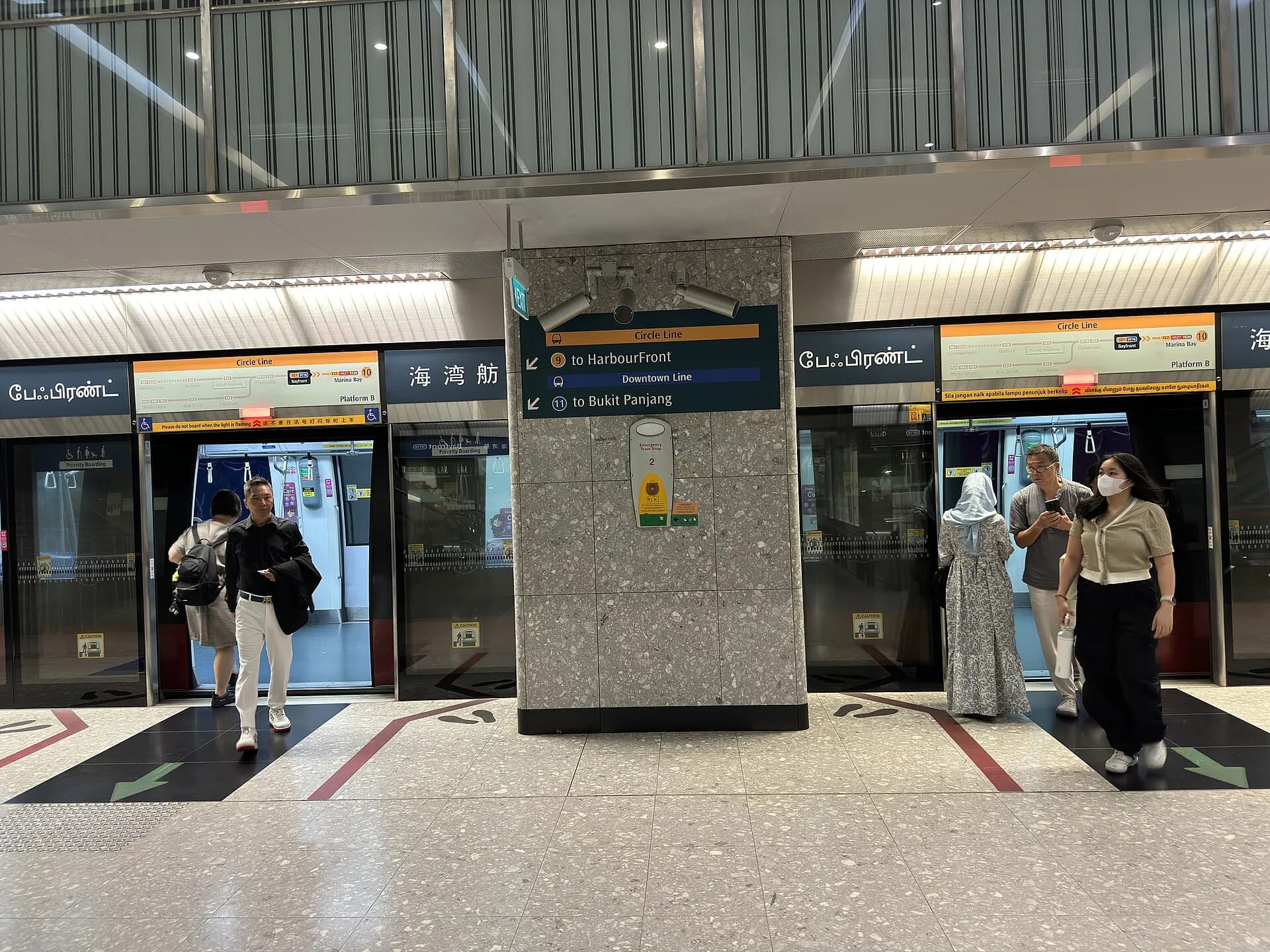
The Complete Guide to Singapore's MRT
One of the world's cleanest and most reliable metros, explained line by line — plus how to pay and get around like a local.
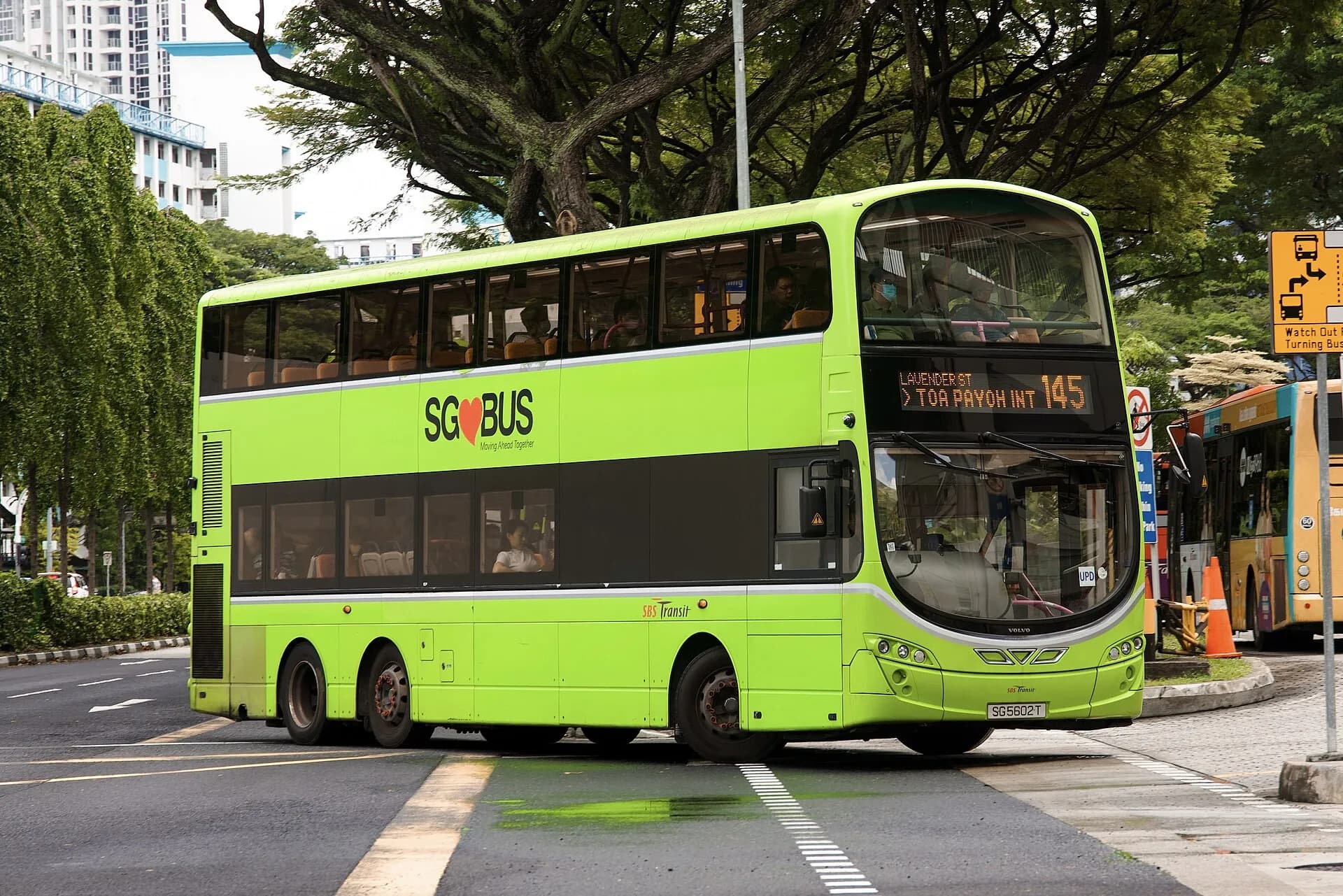
Getting Around Singapore: Buses, Taxis and Ride-Hailing
Beyond the MRT, a look at the buses, taxis and apps that complete Singapore's public transport picture.
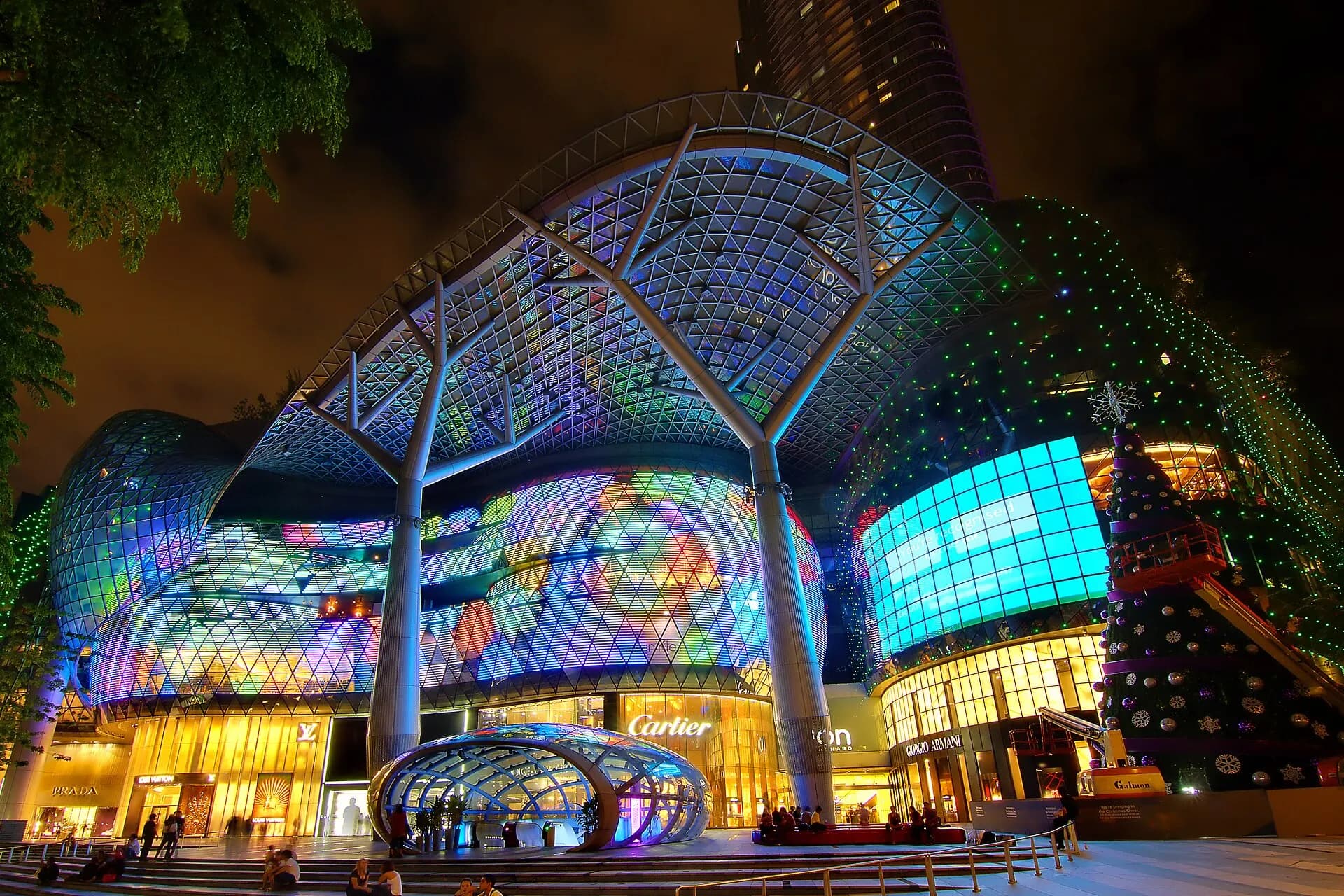
The Cost of Living in Singapore: A Practical Guide
Singapore is consistently ranked among the world's most expensive cities — but where your money actually goes may surprise you.