
The Cost of Living in Singapore: A Practical Guide
Singapore is consistently ranked among the world's most expensive cities — but where your money actually goes may surprise you.
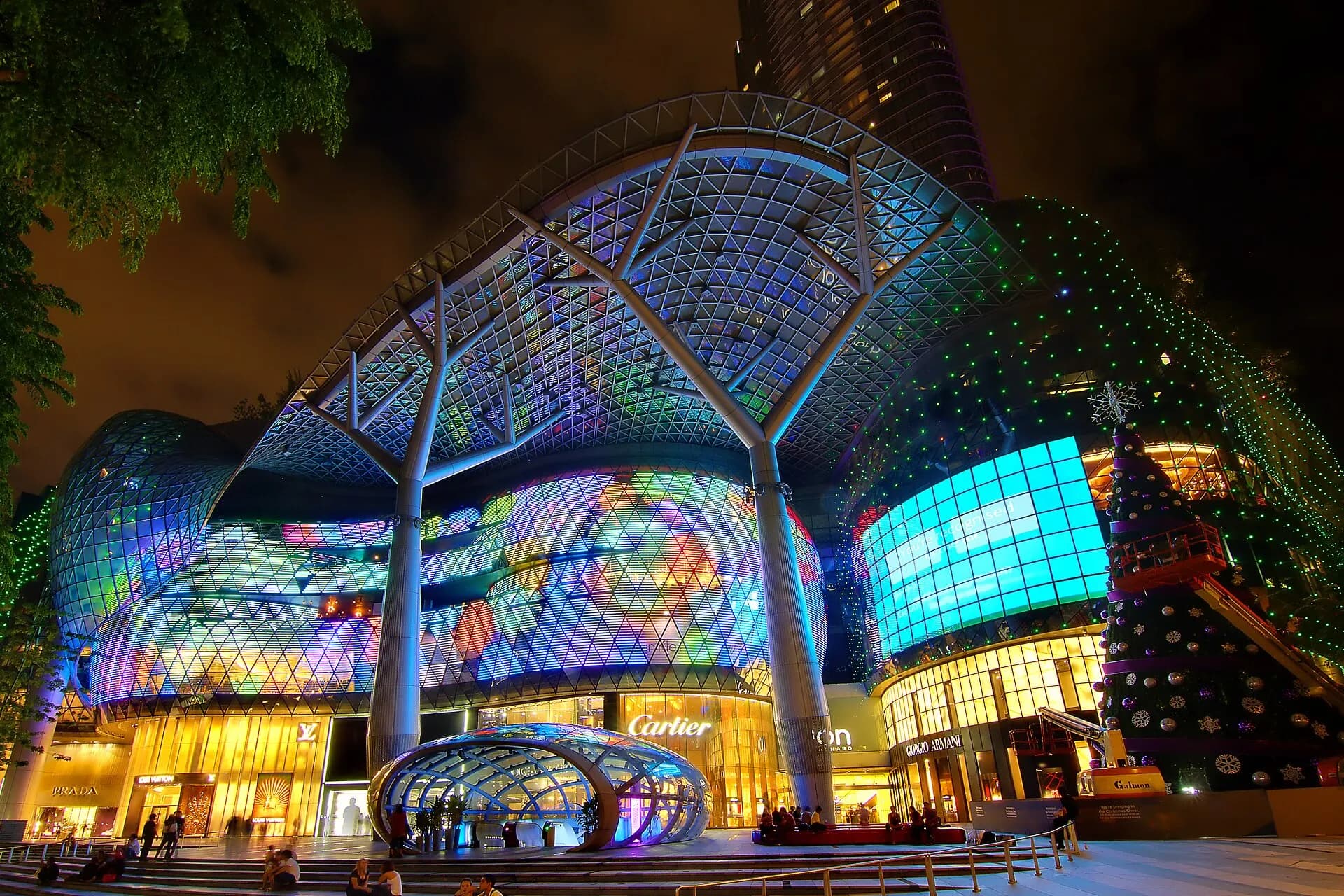
Singapore regularly appears near the top of global cost-of-living rankings, and for good reason: housing, private cars and imported goods are genuinely expensive here. But the picture is more nuanced than the headlines suggest. Some everyday costs — public transport, hawker meals, healthcare at public facilities — are remarkably affordable by developed-world standards. Understanding where the money goes is the key to budgeting well.
Housing is the biggest line item
For most residents, accommodation is by far the largest monthly expense. About eight in ten Singaporeans live in public housing built by the Housing & Development Board (HDB), which is heavily subsidised for citizens who buy. For renters — including most newcomers and foreign workers — costs vary enormously with location and property type. A room in a shared HDB flat is the budget option; a whole private condominium unit near the city centre sits at the premium end.
Food: cheap or costly, your choice
Few cities offer such a wide spread. A full meal at a hawker centre can cost just a few dollars, and hawker culture is central to daily life — it was even inscribed on UNESCO's list of intangible cultural heritage in 2020. At the other extreme, Singapore has a dense cluster of fine-dining restaurants where a single dinner can rival any global capital. Cooking at home is workable, though many residents find hawker food cheaper than groceries for a single person.
Transport is a bargain — unless you buy a car
The MRT and bus network is efficient, extensive and inexpensive, and most residents rely on it entirely. Owning a car, by contrast, is one of the world's costliest propositions because of the Certificate of Entitlement (COE) system, which requires buyers to bid for the right to own a vehicle for ten years. Between the COE, taxes and Electronic Road Pricing, private car ownership is a major luxury rather than a default.
Utilities, healthcare and everyday goods
Electricity and water bills are moderate, though air-conditioning in the tropical climate can push them up. Healthcare is a mixed public-private system with strong subsidies at public polyclinics and restructured hospitals, supported by the national MediSave and MediShield Life schemes. Imported consumer goods, alcohol and tobacco carry high duties, which is why many residents shop for these across the causeway or online.
The bottom line
Singapore rewards residents who lean into the local way of living: taking the train, eating at hawker centres, and skipping car ownership. Do that, and the city is far more affordable than its reputation. Try to replicate a car-dependent, imported-goods lifestyle, and the costs climb quickly.
Related guides
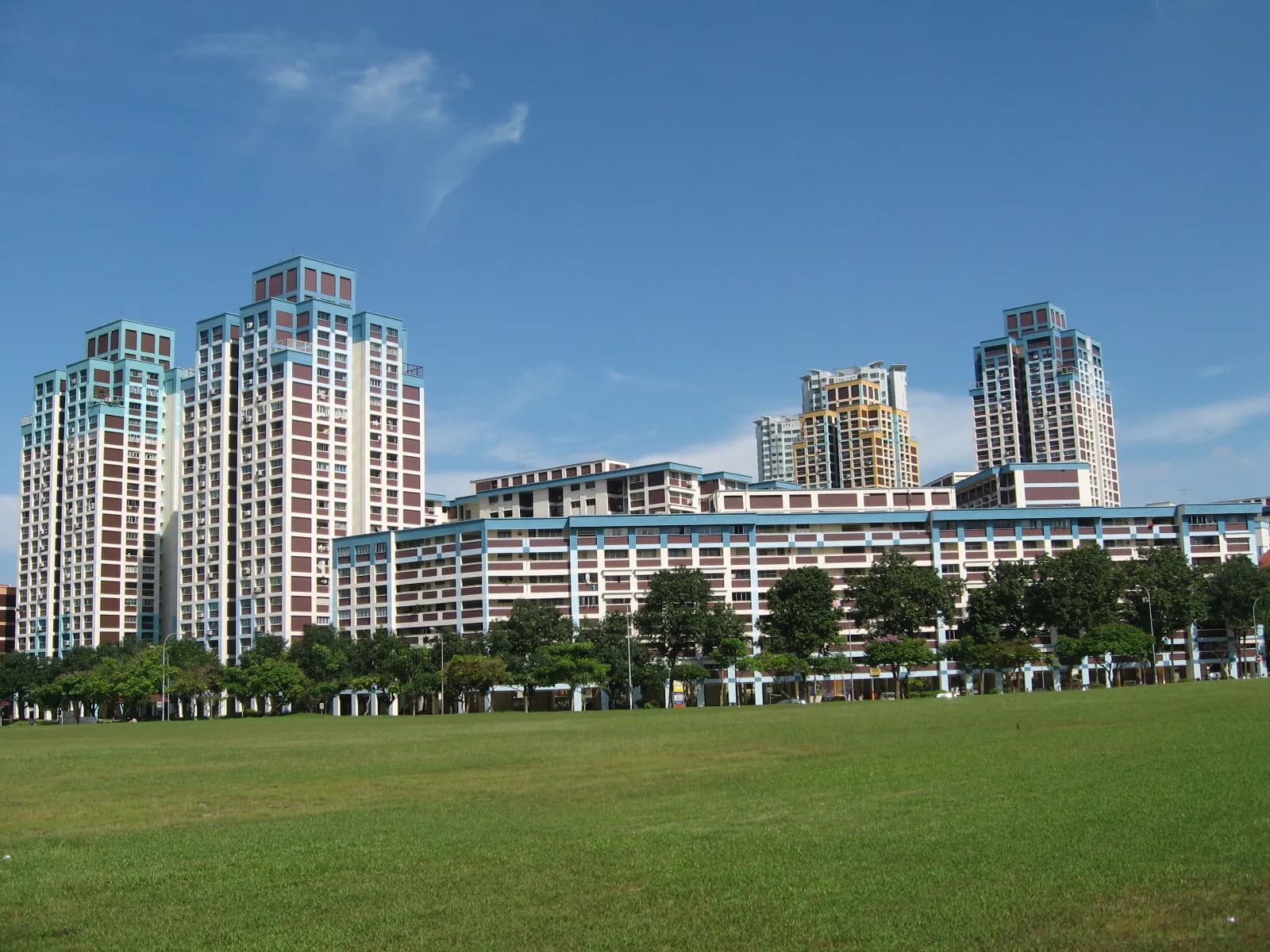
A Guide to HDB Public Housing in Singapore
Public housing here is not a last resort — it is where the overwhelming majority of Singaporeans live, and often own their homes.
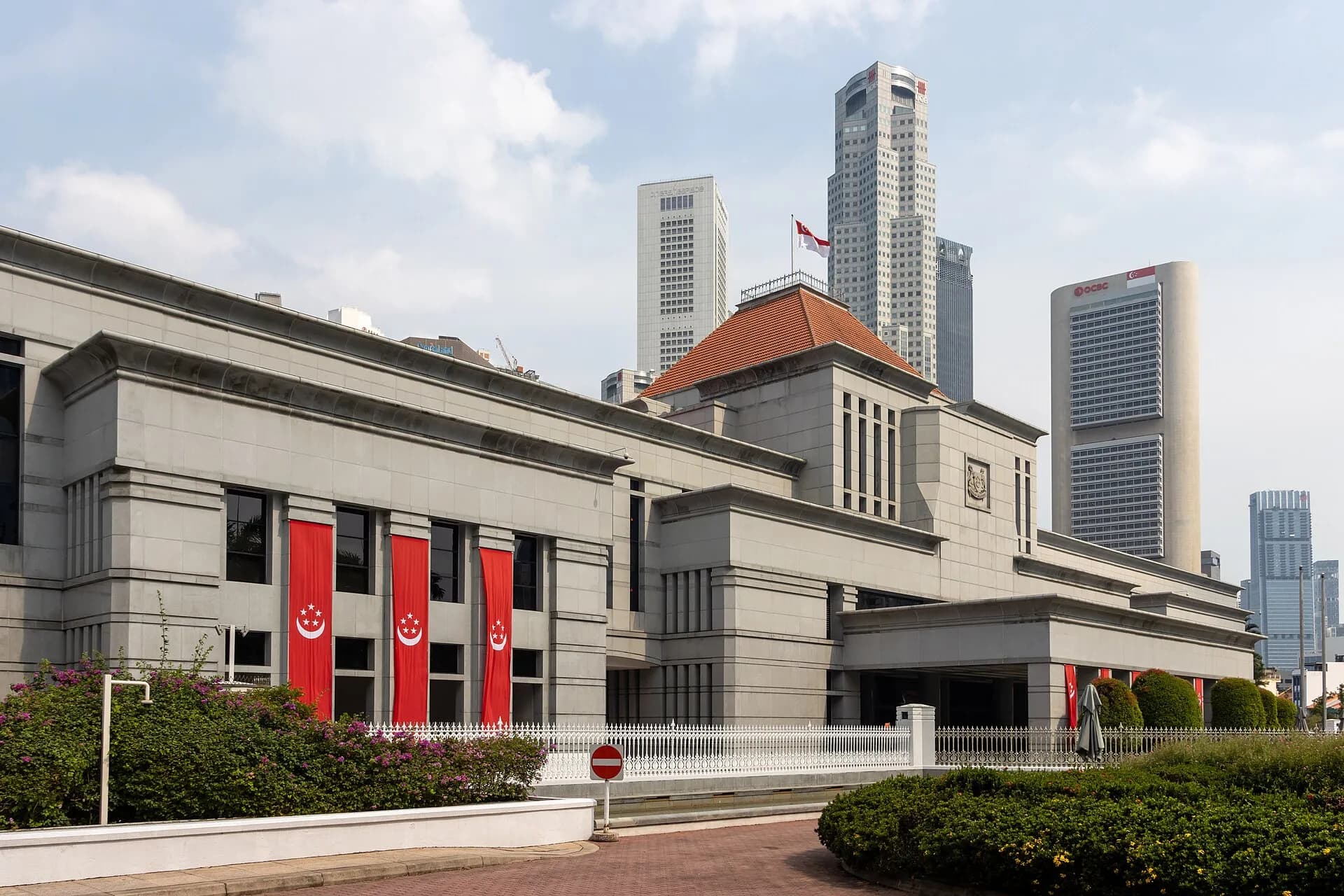
Healthcare in Singapore, Explained
A mixed public-private system built on subsidies and mandatory savings consistently produces some of the world's best health outcomes.
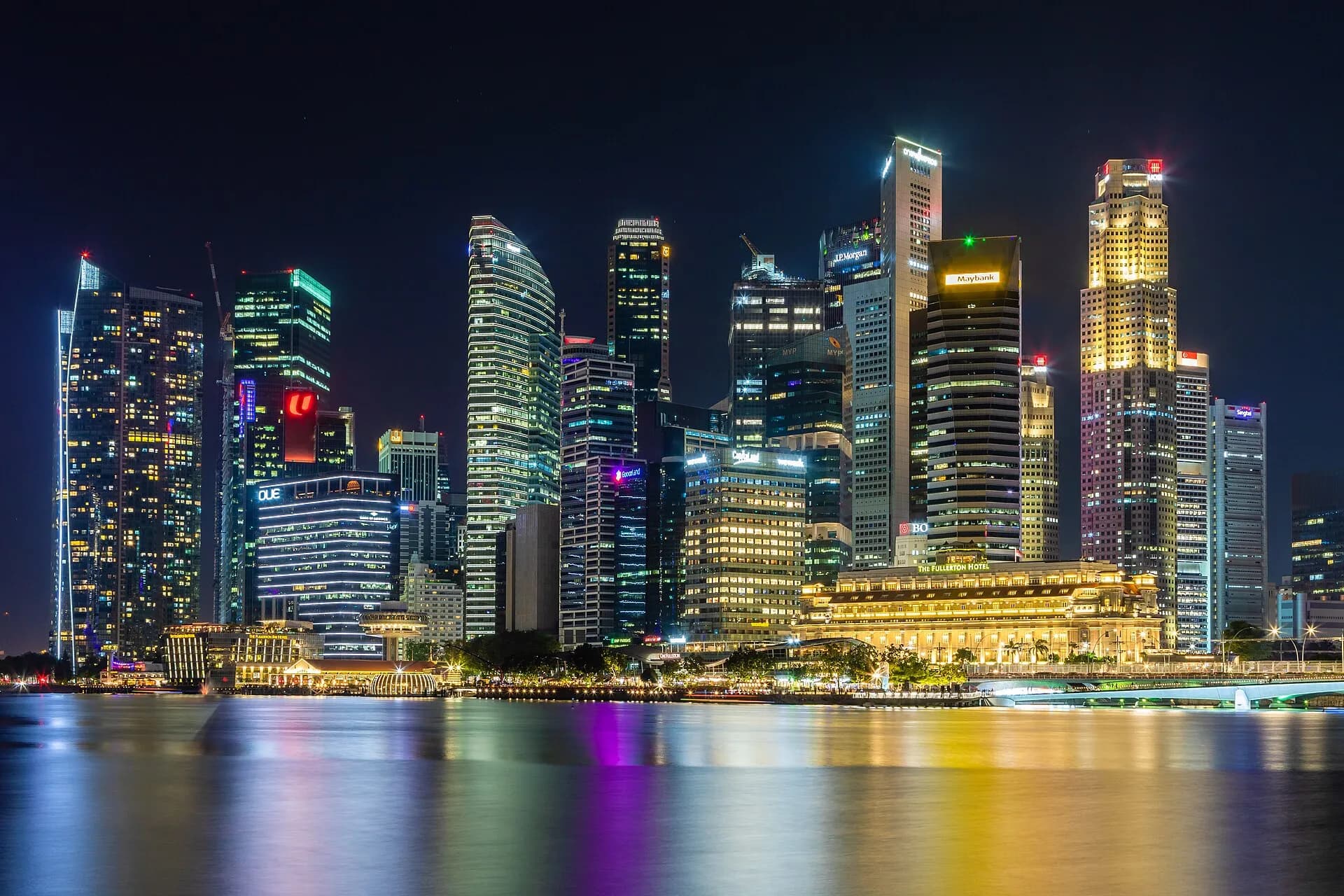
How to Start a Business in Singapore
Singapore is repeatedly ranked among the easiest places in the world to do business. Here is how company formation actually works.