
A Guide to HDB Public Housing in Singapore
Public housing here is not a last resort — it is where the overwhelming majority of Singaporeans live, and often own their homes.
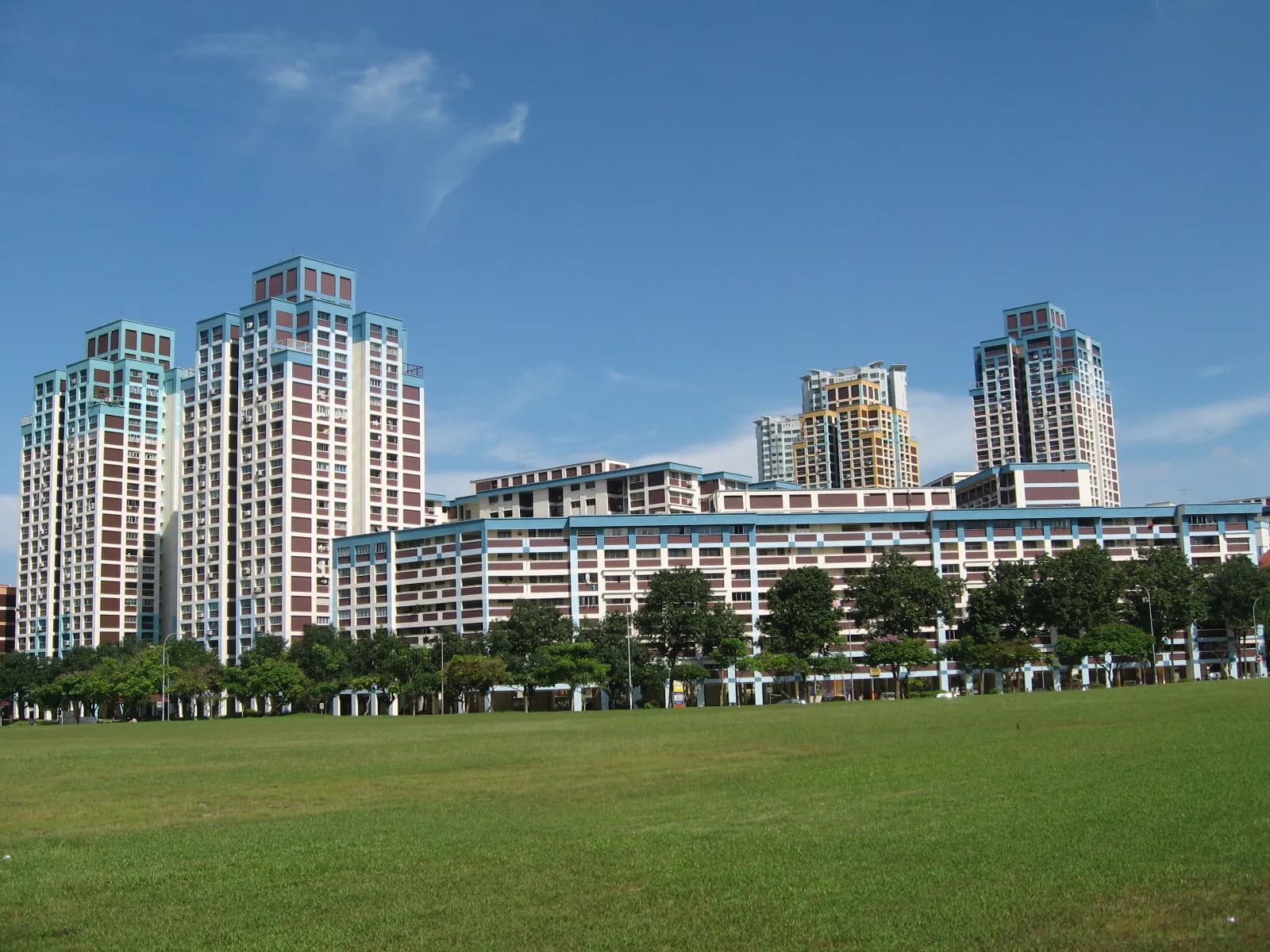
Singapore's public housing programme is one of the most successful in the world. The Housing & Development Board (HDB) was established in 1960, and today roughly eight in ten residents live in HDB flats — the large majority of them as owners rather than tenants. Far from being stigmatised, HDB estates are the backbone of everyday Singaporean life.
How you get an HDB flat
Citizens most commonly buy a new flat directly from HDB through the Build-To-Order (BTO) system, in which the board launches projects and buyers apply before construction begins. There is also a resale market for existing flats, which offers more choice of location and immediate availability at market prices. Various grants exist to help eligible first-time citizen buyers.
Flat types
- 2-room Flexi — compact units aimed at singles and retirees
- 3-room — a common starter size for smaller households
- 4-room — the most popular family size
- 5-room and Executive — larger layouts for bigger families
Flats are sold on 99-year leases. The estates are planned as self-contained towns, with each area typically served by an MRT station or bus interchange, hawker centres, wet markets, schools, clinics and parks within walking distance.
Ownership, not just shelter
The scheme is designed around home ownership. Citizens can use their Central Provident Fund (CPF) savings towards the purchase, which is a central reason home-ownership rates in Singapore are among the highest globally. This asset-ownership model is a deliberate pillar of national policy.
Who can rent
Foreigners and many newcomers cannot buy HDB flats but can rent them, either a single room or a whole unit, subject to HDB's rules on tenancy and occupancy caps. This is often the most economical housing option for people new to Singapore.
Related guides
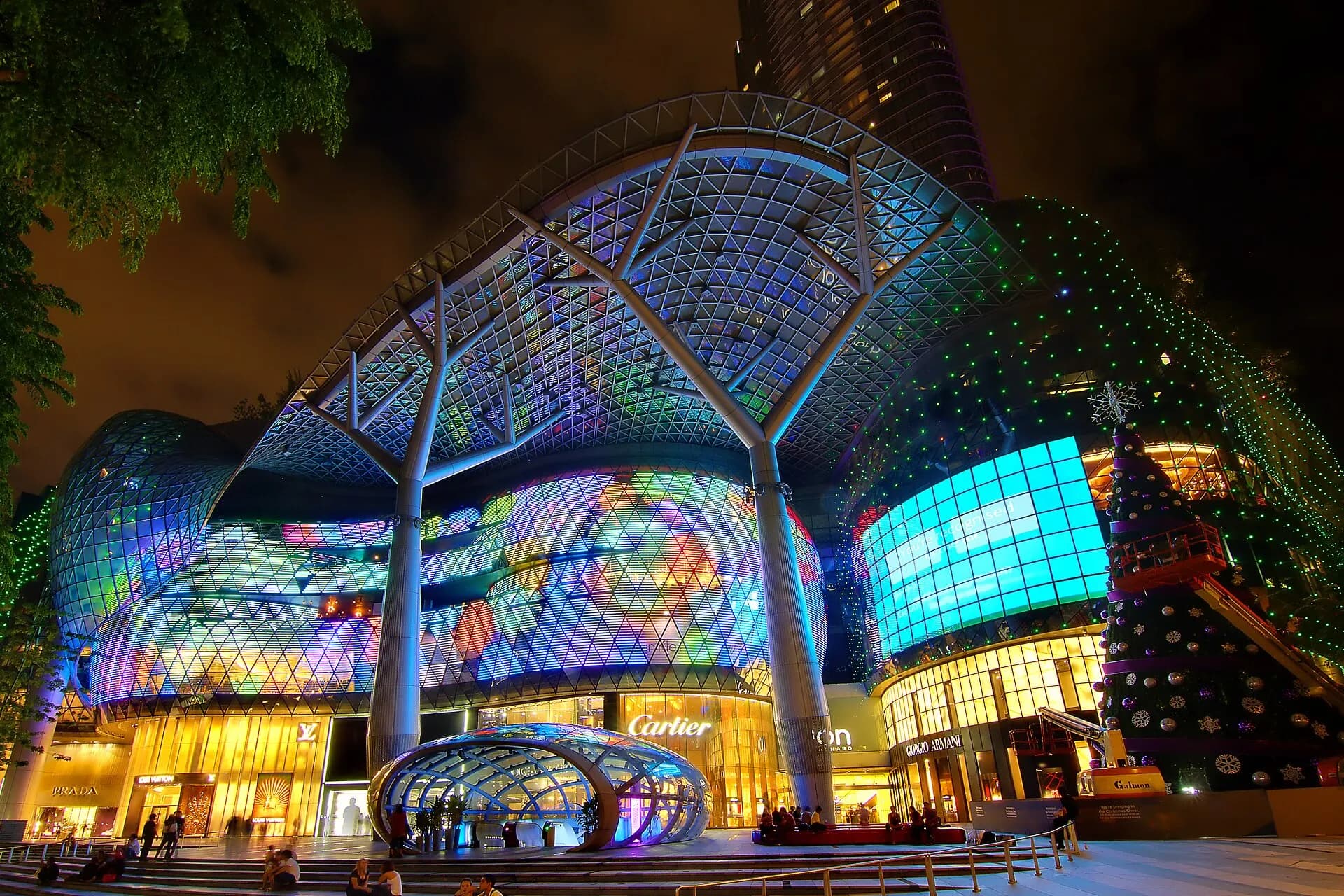
The Cost of Living in Singapore: A Practical Guide
Singapore is consistently ranked among the world's most expensive cities — but where your money actually goes may surprise you.
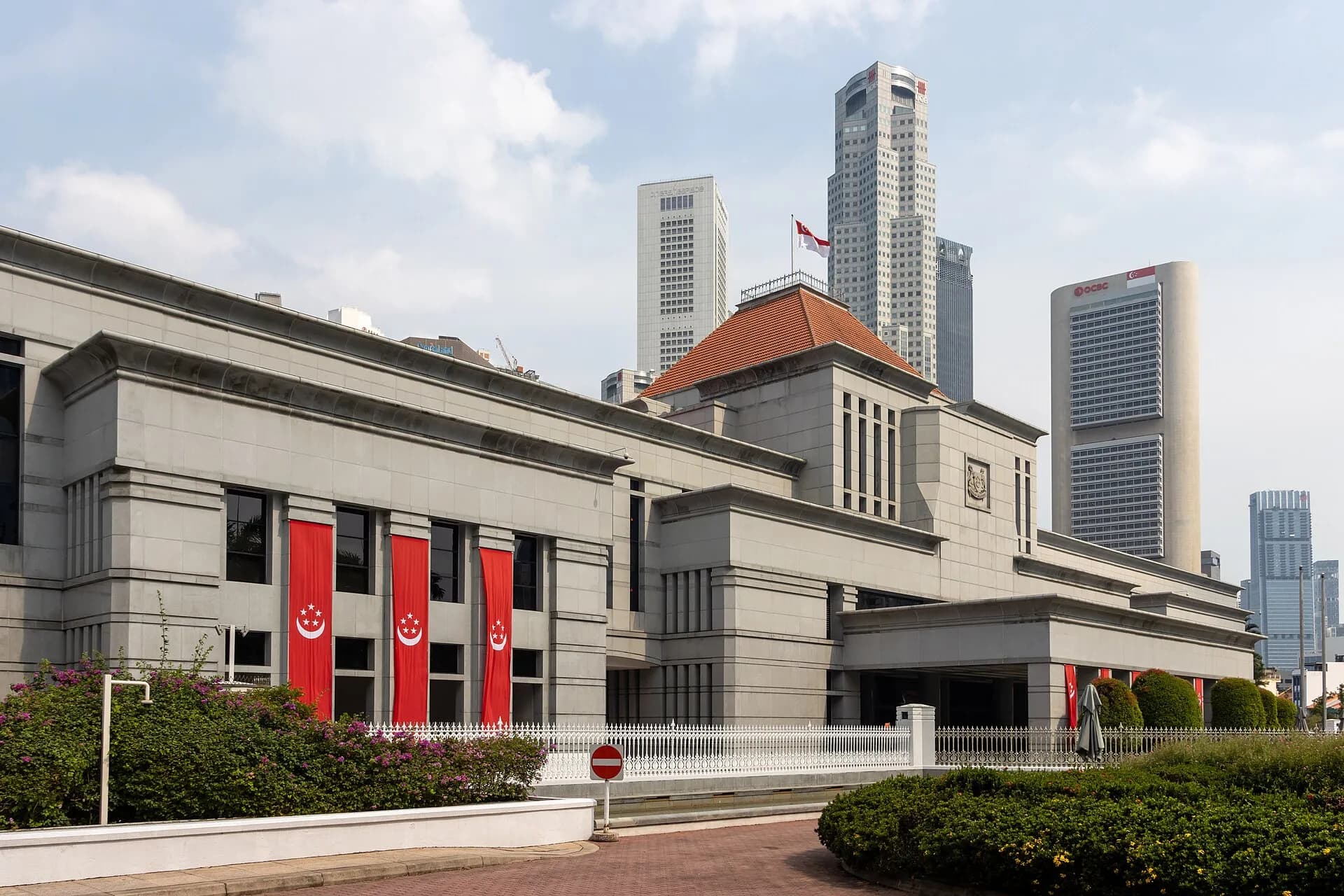
Healthcare in Singapore, Explained
A mixed public-private system built on subsidies and mandatory savings consistently produces some of the world's best health outcomes.
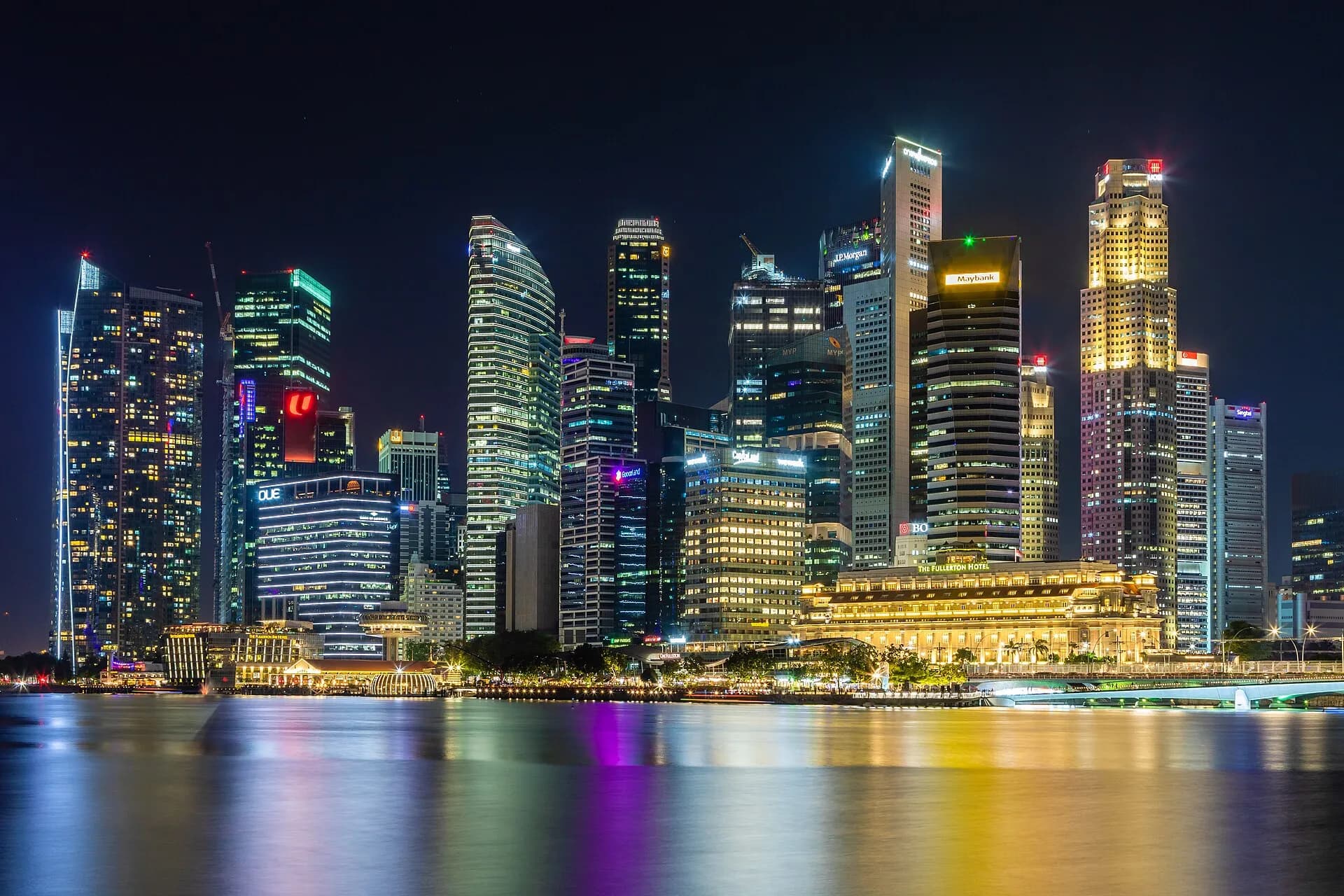
How to Start a Business in Singapore
Singapore is repeatedly ranked among the easiest places in the world to do business. Here is how company formation actually works.