
How to Start a Business in Singapore
Singapore is repeatedly ranked among the easiest places in the world to do business. Here is how company formation actually works.
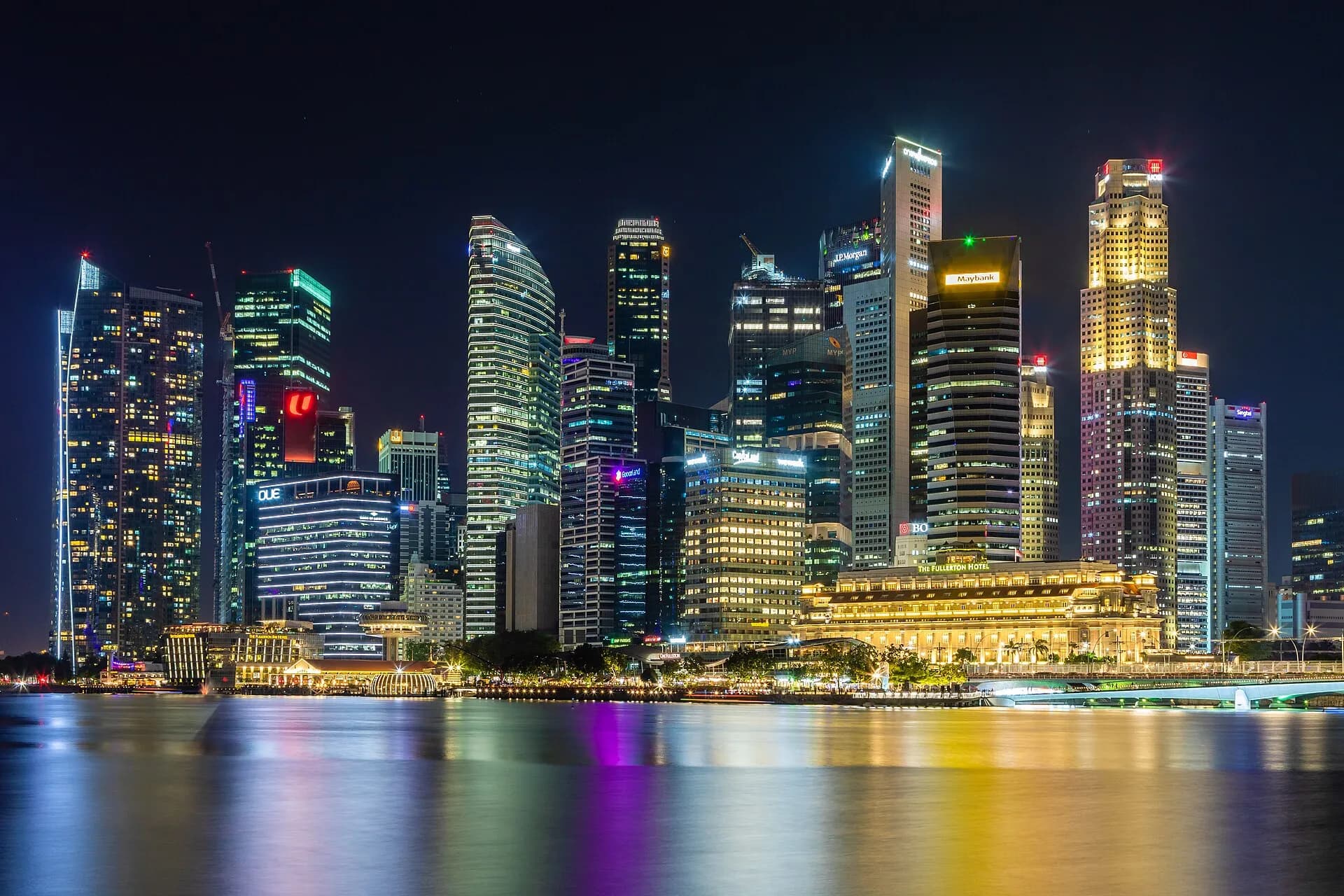
Singapore has built its reputation partly on being one of the most business-friendly jurisdictions in the world, with a transparent legal system, a competitive tax regime and fast, largely digital company registration. For entrepreneurs and multinationals alike, it is a common launchpad into Southeast Asia.
Choose a business structure
The most common vehicle is the private limited company (Pte Ltd), which is a separate legal entity offering limited liability. Sole proprietorships and partnerships are simpler but expose the owner to personal liability. Most serious ventures incorporate as a Pte Ltd.
Registration through ACRA
Companies are registered with the Accounting and Corporate Regulatory Authority (ACRA) through its BizFile online portal. The process is quick — often completed within a day once the name is approved and documents are ready. Every company must appoint at least one director who is ordinarily resident in Singapore, and a company secretary within a set period after incorporation.
Key requirements
- A registered local business address
- At least one locally resident director
- A company secretary (appointed within six months)
- A minimum paid-up capital that can be very small to start
Tax and GST
Singapore levies a competitive flat corporate income tax rate, with partial exemptions and rebates that particularly benefit new and small companies. Businesses whose taxable turnover exceeds the registration threshold must register for the Goods and Services Tax (GST), which was raised to 9% on 1 January 2024. Singapore also has an extensive network of tax treaties.
Foreign founders
Foreigners can own 100% of a Singapore company. Those who wish to relocate and run the business themselves generally need an appropriate work pass, such as an Employment Pass or the EntrePass for eligible entrepreneurs. Many foreign owners instead appoint a resident director and use professional corporate-services firms to handle compliance.
Related guides
Singapore Work Passes Explained: EP, S Pass and Work Permit
Almost everyone who works in Singapore as a foreigner does so on one of a handful of passes. Here is what separates them.

Singapore's Economy: An Overview
How a small island with no natural resources became one of the richest and most globally connected economies on earth.

The Cost of Living in Singapore: A Practical Guide
Singapore is consistently ranked among the world's most expensive cities — but where your money actually goes may surprise you.