
Renting in Singapore: What You Need to Know
From HDB rooms to city-centre condos, a straightforward guide to how the rental market works for newcomers.
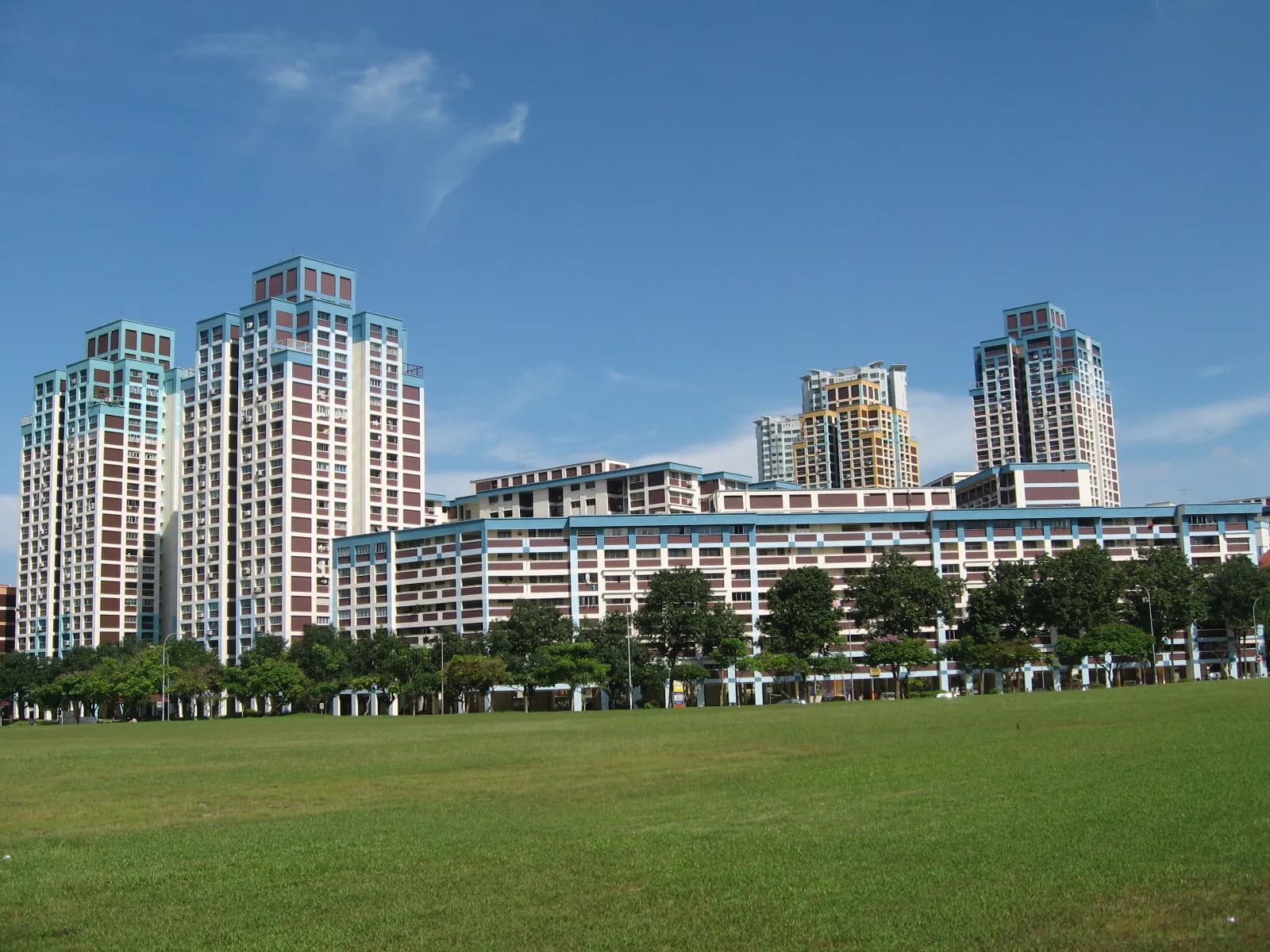
For most people arriving in Singapore, renting is the first step. The market is well-organised and largely conducted through property agents and online listing platforms, but it helps to know the norms before you sign anything.
What you can rent
- A room in an HDB flat or condo — the most economical option
- A whole HDB flat — subject to HDB's approval and occupancy rules
- A whole private condominium unit — the premium end, often with facilities
- Landed houses — the most expensive and least common rental type
How leases work
Standard residential leases usually run for one or two years. Expect to pay a security deposit — commonly one month's rent per year of lease — plus the first month up front. Diplomatic and early-termination clauses are negotiable and worth reading carefully. The tenancy agreement is subject to stamp duty, typically borne by the tenant.
Agents and fees
Property agents are common on both sides of a deal. Fee conventions vary with the rent and lease length, so clarify who pays what before engaging one. Reputable agents are licensed with the Council for Estate Agencies (CEA), which you can verify.
Practical tips
Location relative to an MRT station strongly affects both price and convenience. Check what is included — furnishing, utilities, internet, air-conditioning servicing — and confirm the landlord's rules on the number of occupants, which are capped by regulation. Always inventory the unit's condition at handover to protect your deposit.
Related guides
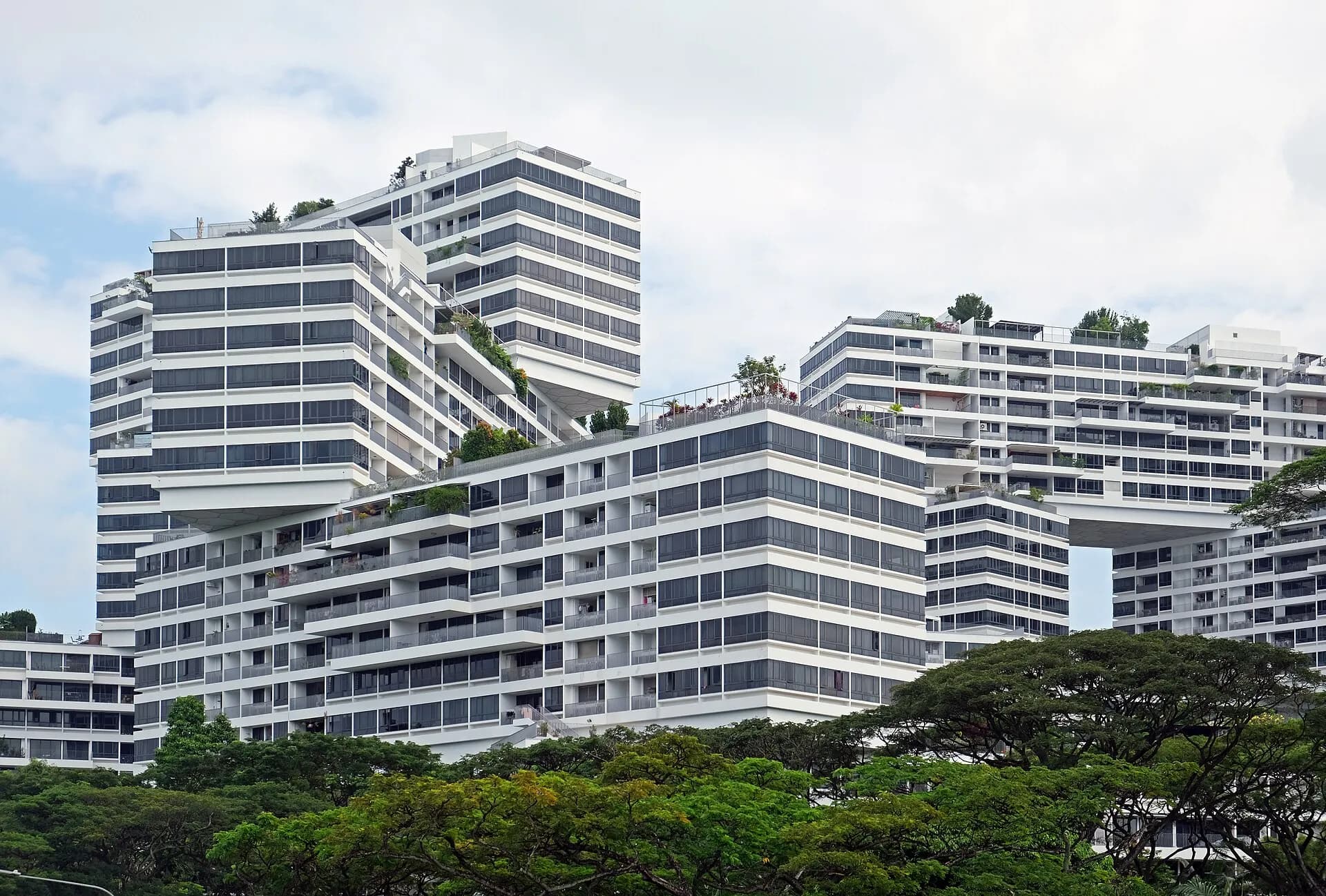
HDB vs Condo: Which Is Right for You?
The two poles of Singapore residential life compared — on price, facilities, rules and who each one suits.
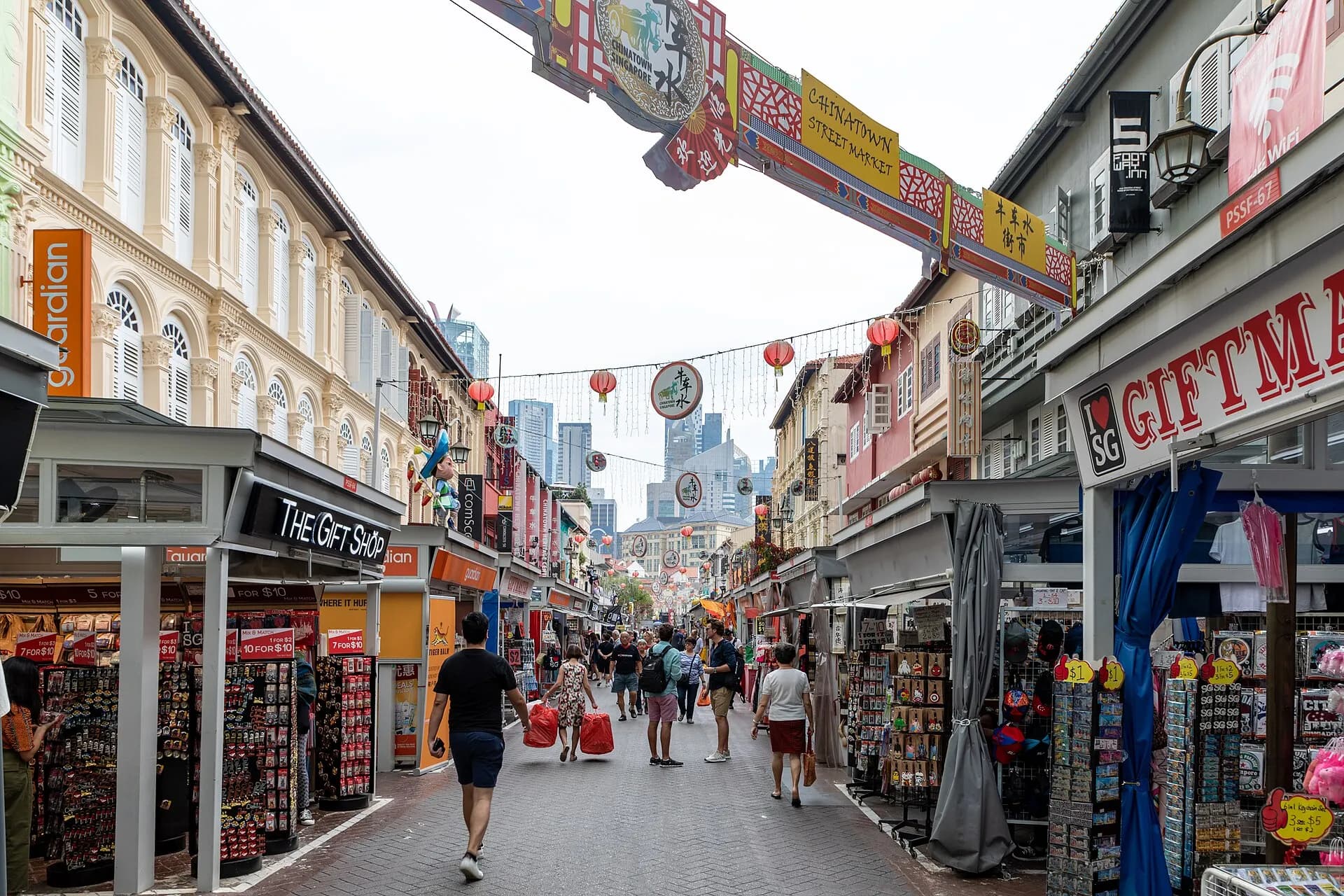
A Guide to Singapore's Neighbourhoods
From the shophouses of Chinatown to the heartland towns of the east and north, a tour of where people actually live and gather.
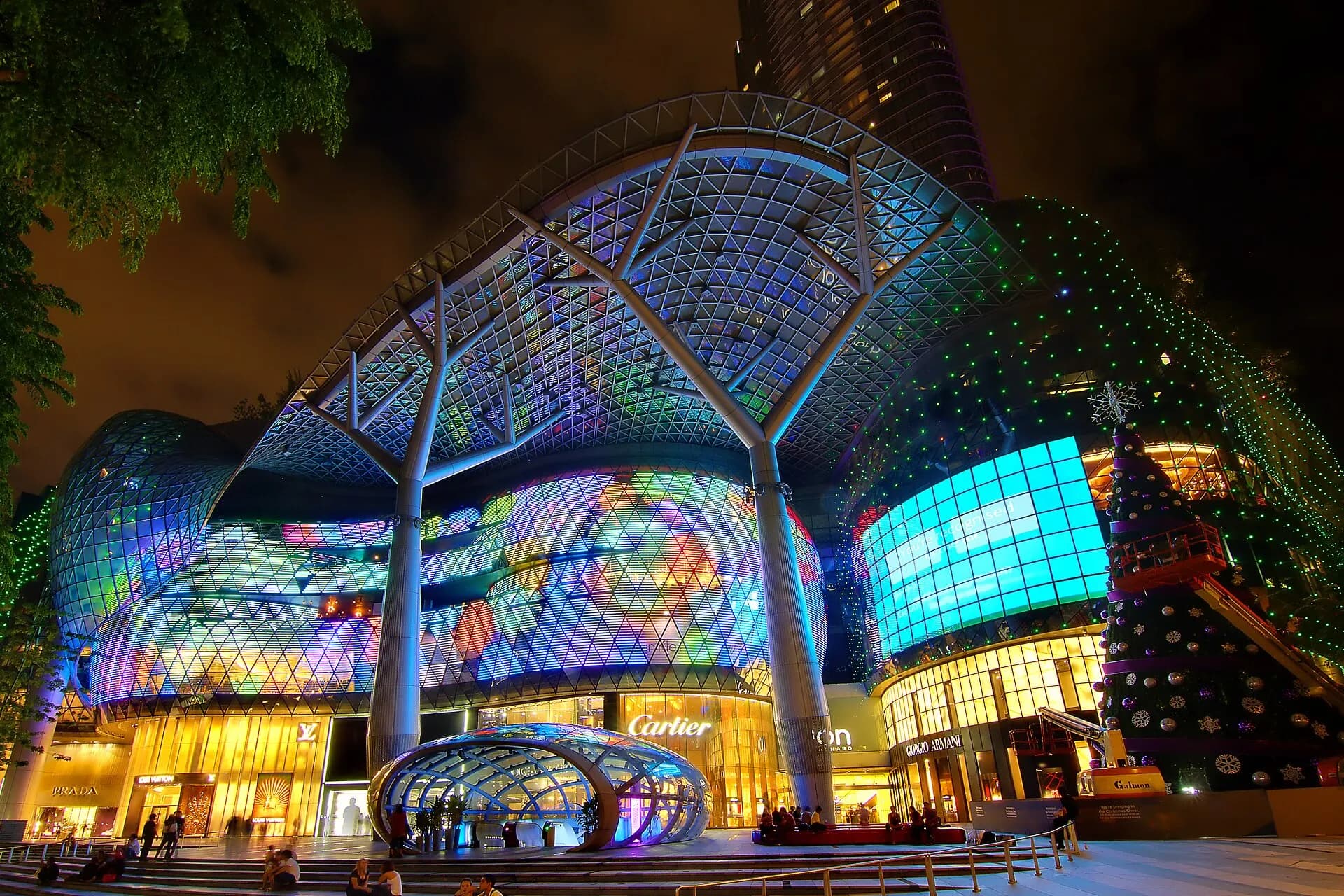
The Cost of Living in Singapore: A Practical Guide
Singapore is consistently ranked among the world's most expensive cities — but where your money actually goes may surprise you.