
HDB vs Condo: Which Is Right for You?
The two poles of Singapore residential life compared — on price, facilities, rules and who each one suits.
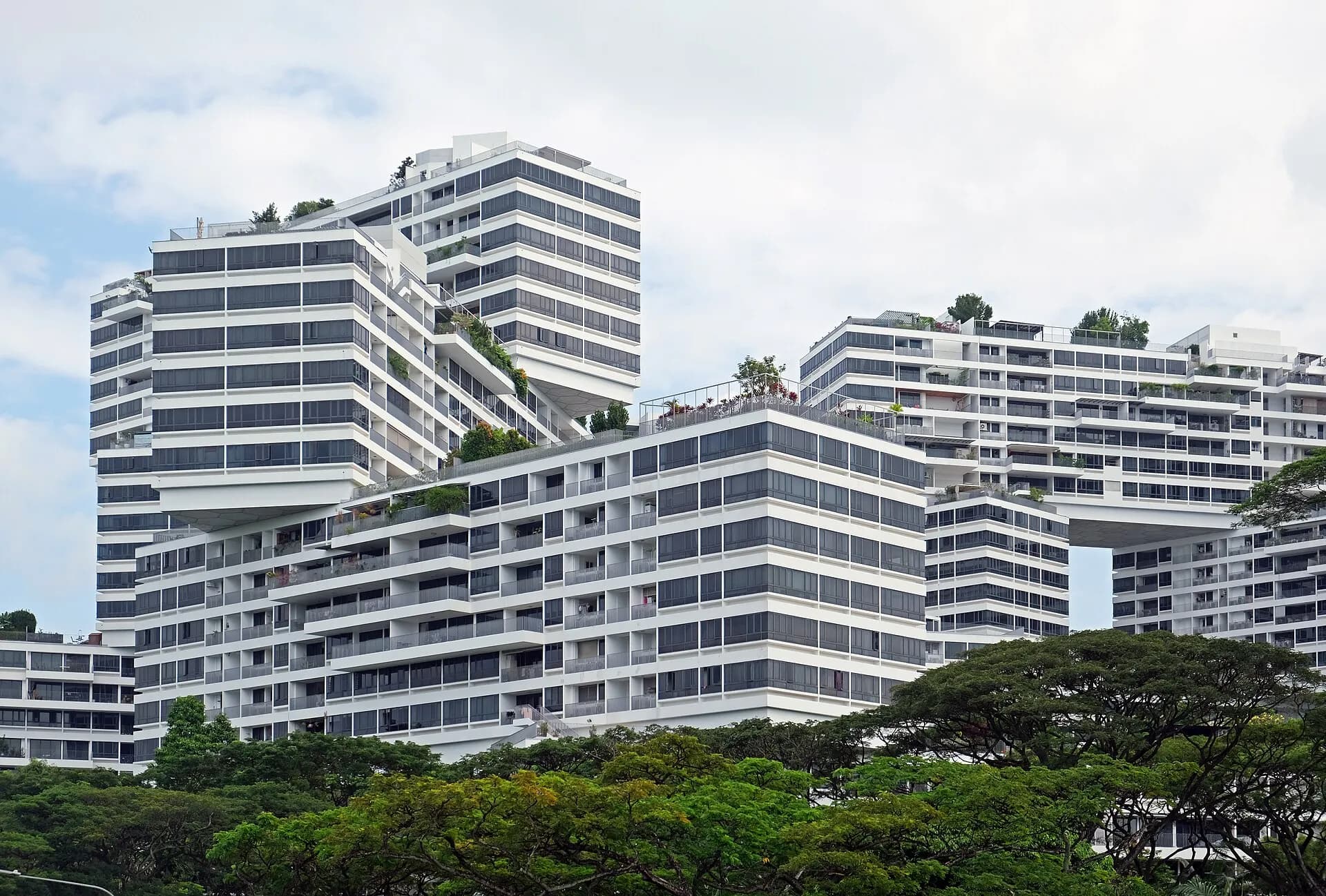
For anyone looking at property in Singapore, the first big fork in the road is public versus private: an HDB flat or a private condominium. They serve different needs, come with different rules, and sit at different price points.
Price
HDB flats — especially new ones bought directly from the board by eligible citizens — are substantially more affordable thanks to subsidies. Private condominiums are sold at open-market prices and are considerably more expensive per square foot, particularly in central districts.
Facilities and space
Condominiums typically bundle in facilities: a swimming pool, gym, function rooms, landscaped grounds and 24-hour security. HDB estates share public amenities — parks, hawker centres, community centres and sports facilities — rather than private ones, though these are excellent and close at hand.
Rules and eligibility
- HDB flats have citizenship and household eligibility conditions, income ceilings for new flats, and a minimum occupation period before you can sell or rent out the whole unit.
- Private condos can be bought by foreigners (with additional stamp duties) and have far fewer restrictions on renting and reselling.
- Both are typically sold on leases — most HDB flats on 99-year leases, and many condos on 99-year leases too, though some are freehold.
Who each suits
For most Singaporean families, an HDB flat offers outstanding value and a strong community setting. Condominiums appeal to those who want private facilities, more flexibility, a central location, or who — as foreigners — are not eligible to buy HDB. Many households also treat an eventual move from HDB to private property as a long-term aspiration.
Related guides
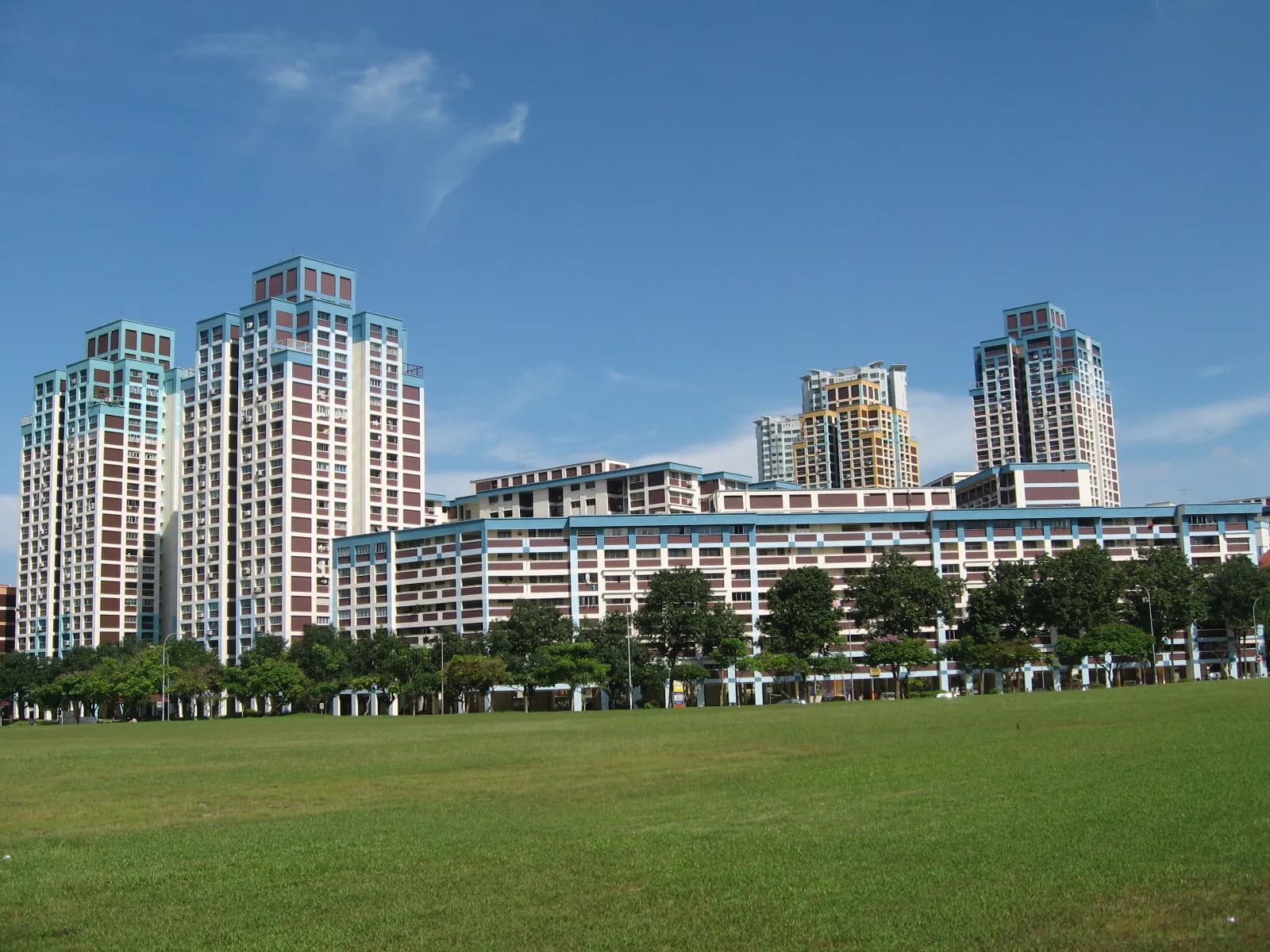
Renting in Singapore: What You Need to Know
From HDB rooms to city-centre condos, a straightforward guide to how the rental market works for newcomers.
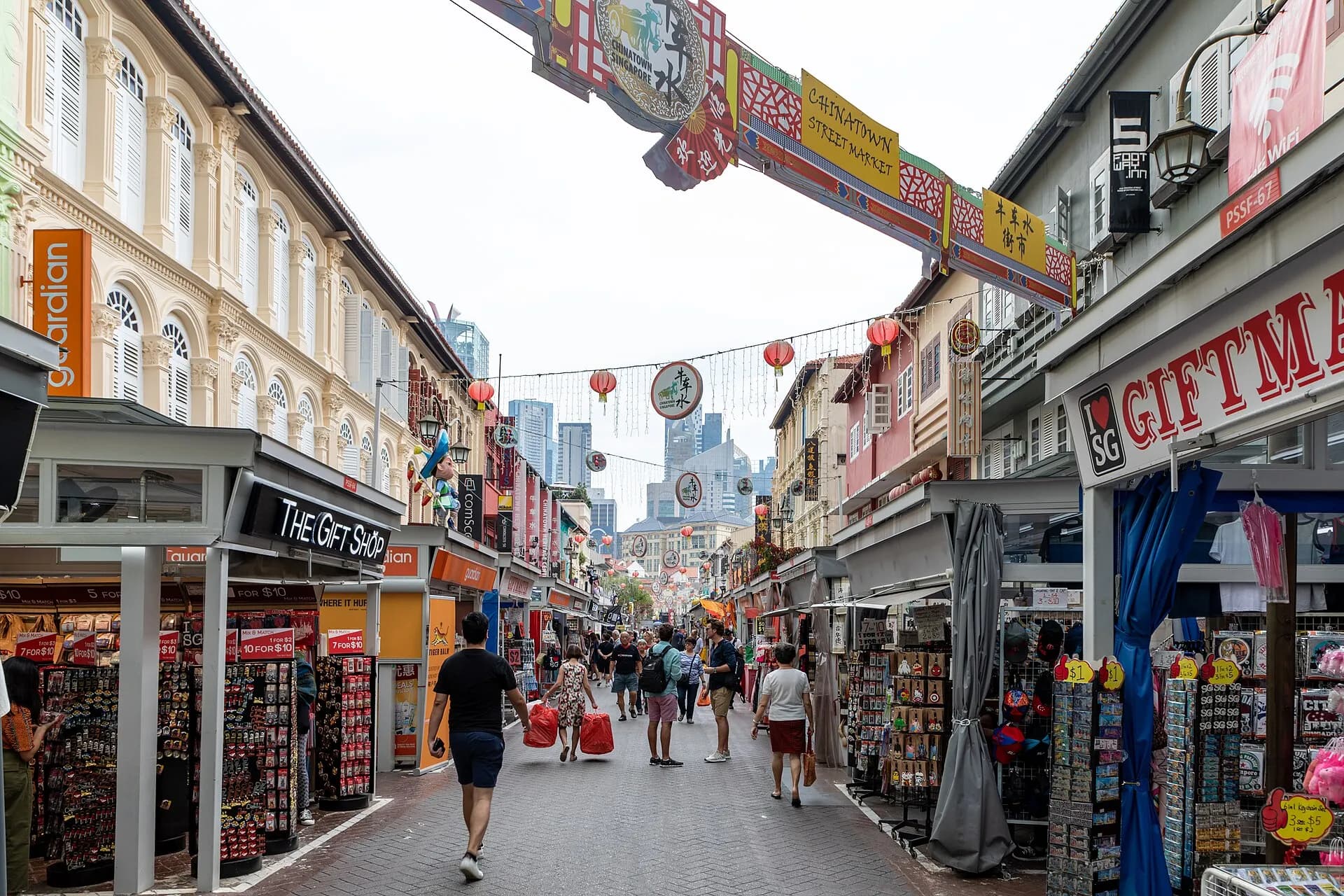
A Guide to Singapore's Neighbourhoods
From the shophouses of Chinatown to the heartland towns of the east and north, a tour of where people actually live and gather.
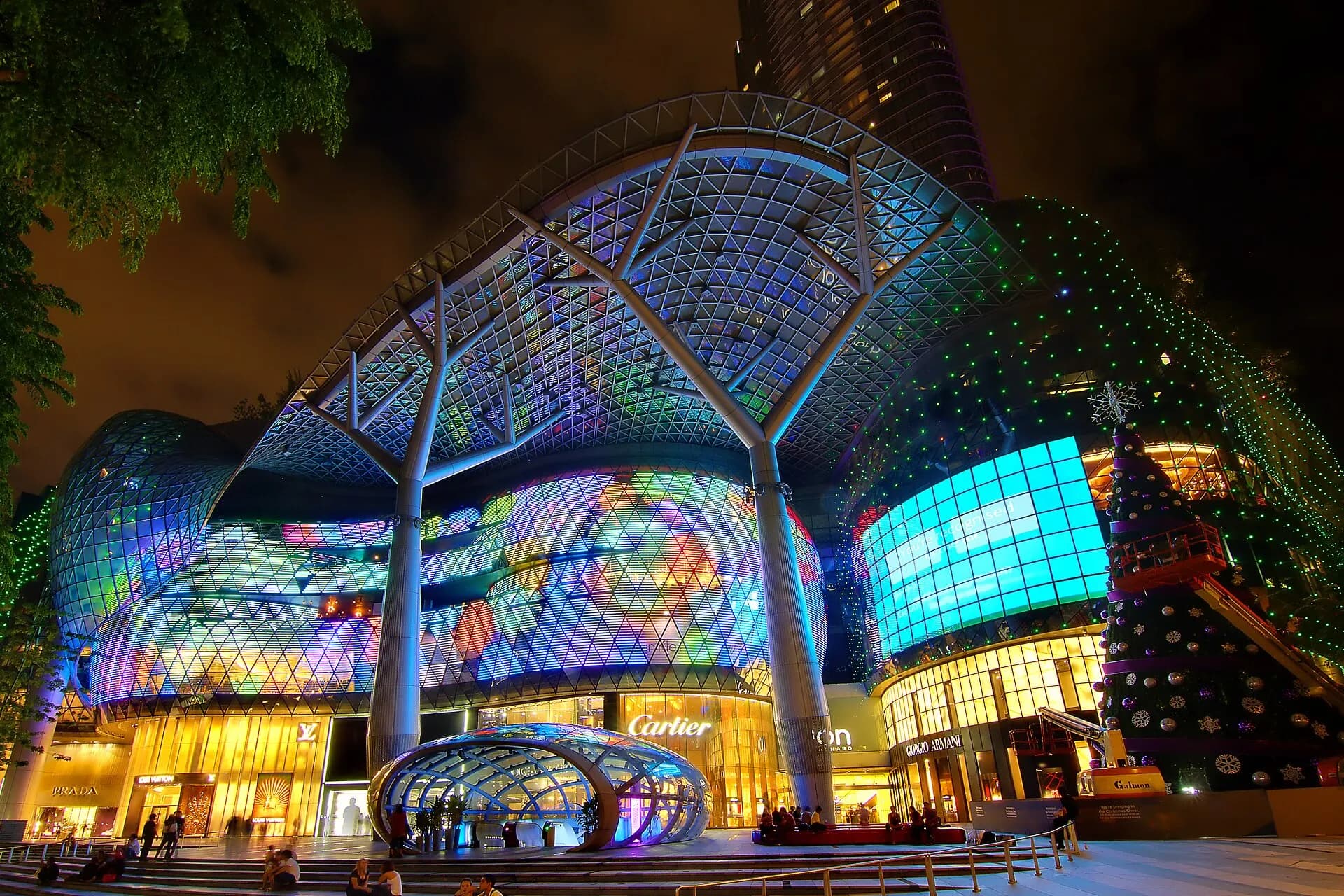
The Cost of Living in Singapore: A Practical Guide
Singapore is consistently ranked among the world's most expensive cities — but where your money actually goes may surprise you.