
Public Holidays in Singapore
The eleven gazetted public holidays reflect the country's multicultural makeup — here is what each one marks.
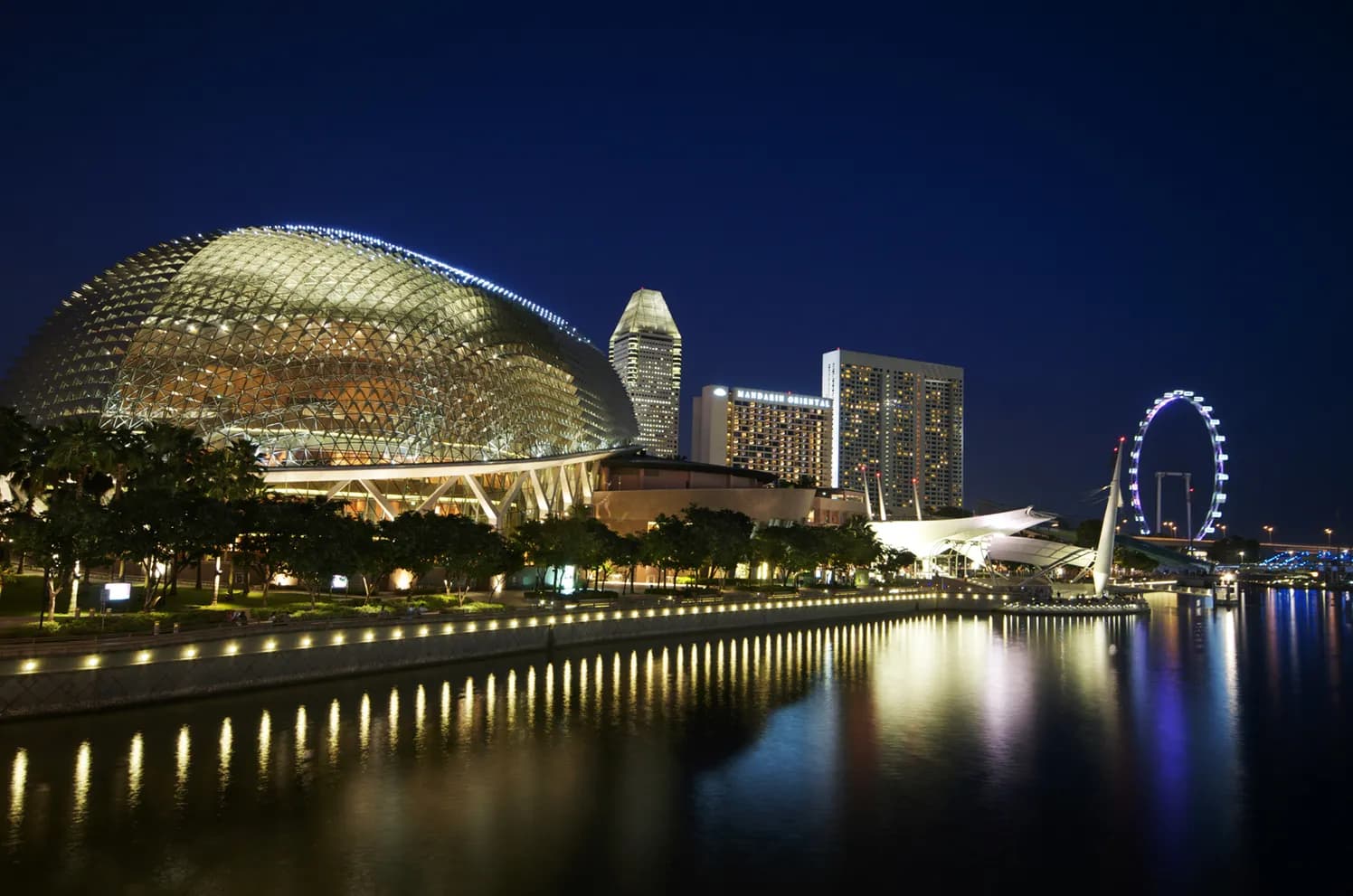
Singapore observes eleven gazetted public holidays each year, and the list is a neat summary of the nation's diversity — encompassing Chinese, Malay/Muslim, Indian/Hindu and Christian occasions alongside secular national days.
The holidays
- New Year's Day (1 January)
- Chinese New Year (two days)
- Good Friday
- Hari Raya Puasa — marking the end of Ramadan
- Labour Day (1 May)
- Vesak Day — commemorating the Buddha's birth, enlightenment and passing
- Hari Raya Haji — the festival of sacrifice
- National Day (9 August)
- Deepavali — the Hindu festival of lights
- Christmas Day (25 December)
Several of these — the Muslim, Hindu, Buddhist and Chinese festivals — follow lunar or other calendars, so their Gregorian dates move each year. The government publishes the confirmed dates annually.
How they are observed
When a public holiday falls on a Sunday, the following Monday is typically observed as a holiday in its place. National Day is the biggest civic occasion, marked by the National Day Parade, a national address and evening fireworks. The cultural and religious holidays bring their own festivities — from Chinatown's lantern-lit Chinese New Year to the lights of Deepavali in Little India.
A shared calendar
One of the quiet strengths of the Singapore model is that residents of all backgrounds share in one another's celebrations — an approach embodied in the very design of the public-holiday calendar.
Related guides
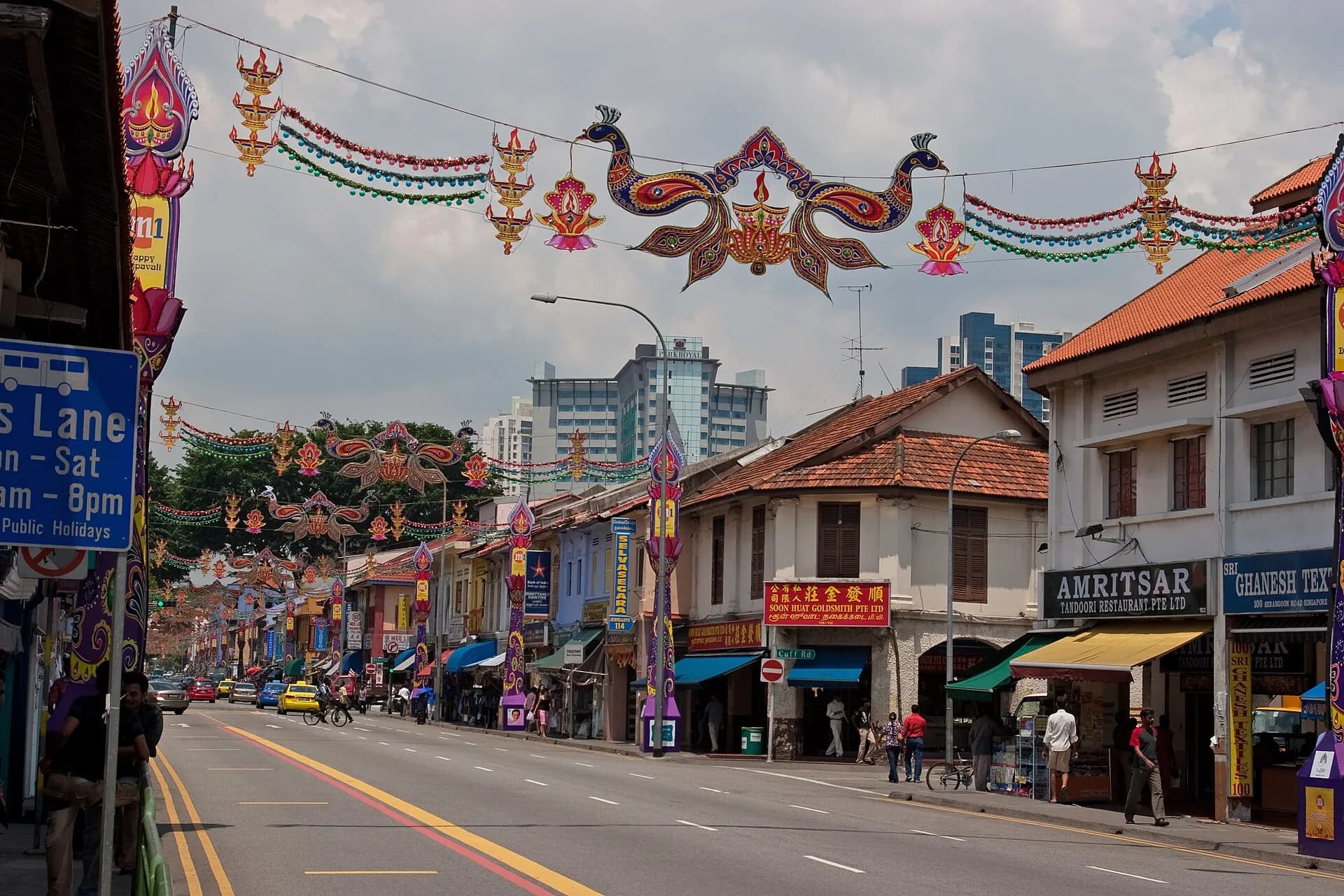
Festivals and Celebrations in Singapore
A year-round calendar of cultural, religious and civic festivals turns the whole city into a stage.
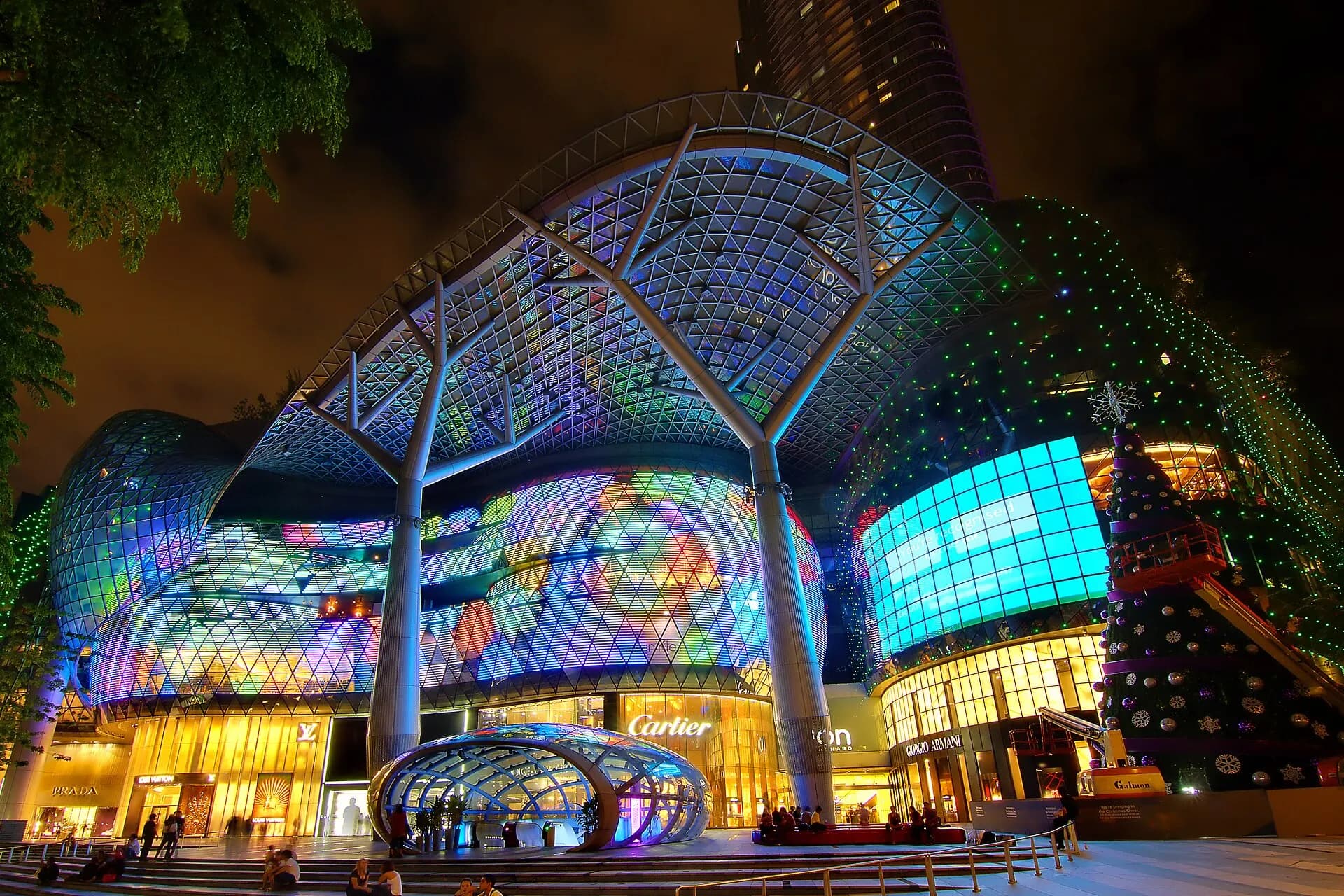
The Cost of Living in Singapore: A Practical Guide
Singapore is consistently ranked among the world's most expensive cities — but where your money actually goes may surprise you.
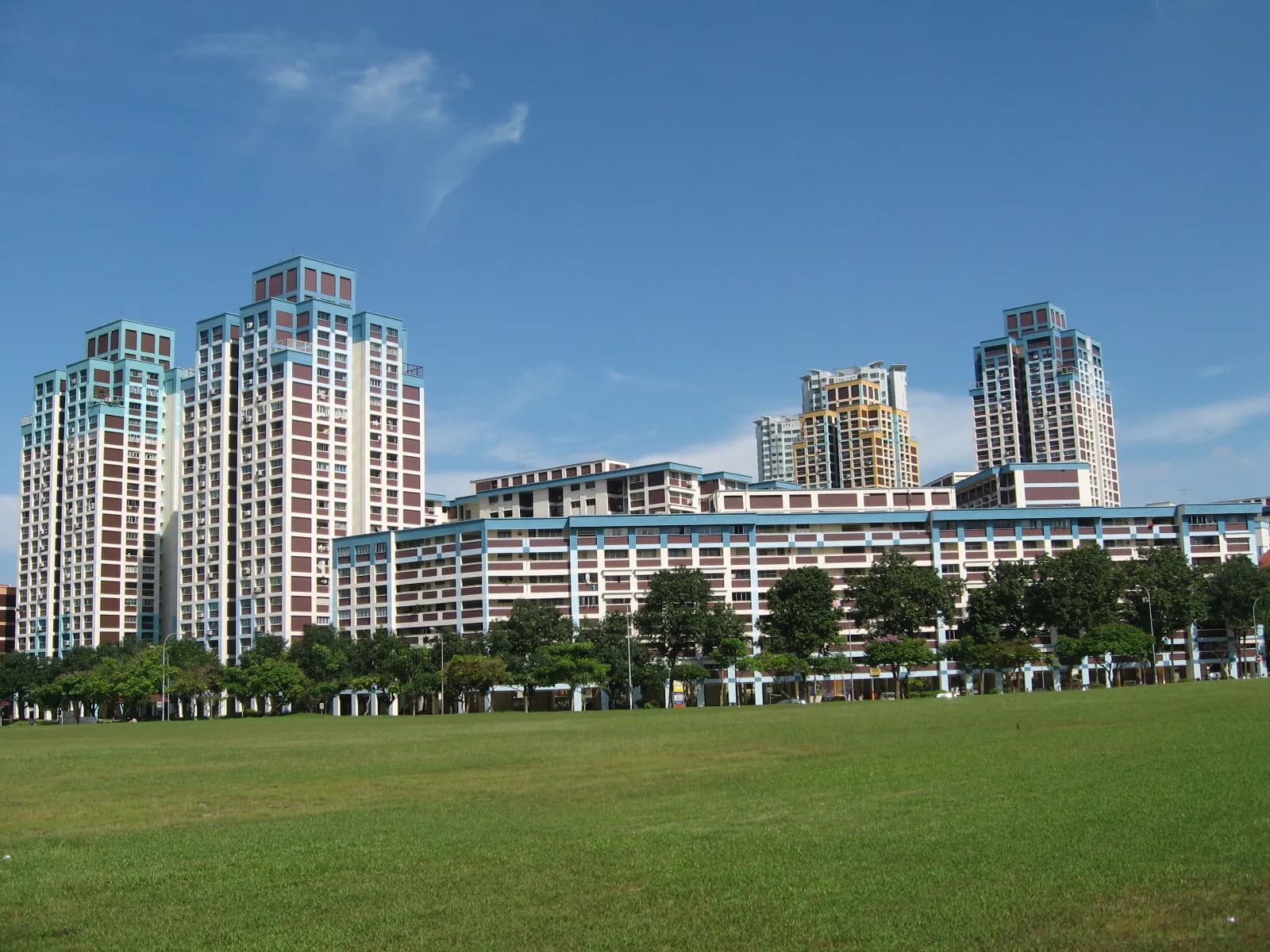
A Guide to HDB Public Housing in Singapore
Public housing here is not a last resort — it is where the overwhelming majority of Singaporeans live, and often own their homes.